2026-07-29
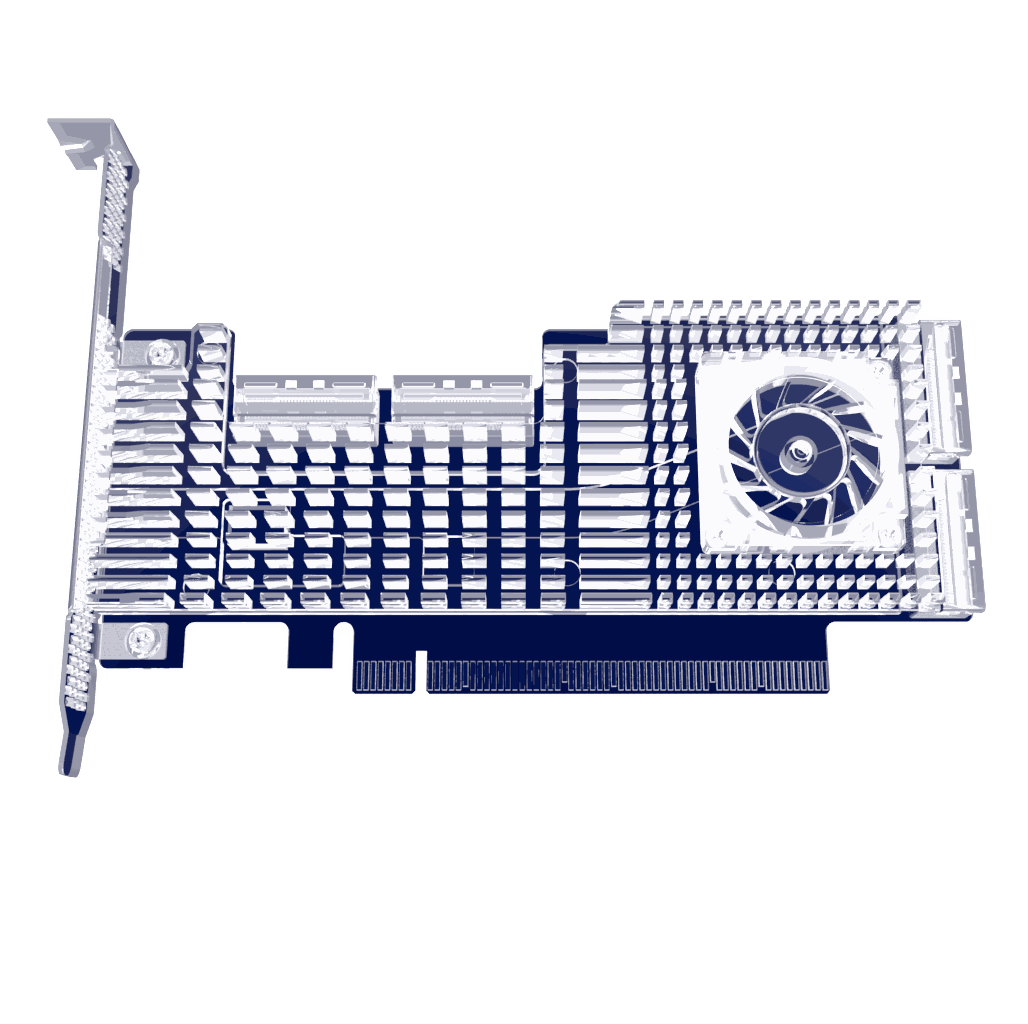
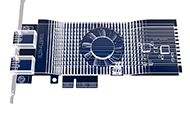
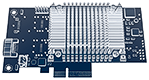
 A NIC (Network Interface Card) is a hardware component that connects a computer or server to a network, enabling data transmission and reception over network cables or wireless signals. Operating at the data link layer (Layer 2) and physical layer (Layer 1) of the OSI model, a NIC translates data between the computer's bus interface (typically PCIe) and the network medium (Ethernet, fiber, or wireless). Modern NICs support speeds from 1 Gbps to 400 Gbps and handle critical functions including frame encapsulation, error checking, and MAC address management (IEEE 802.3).
A NIC bridges the host system and the network through a structured data pipeline. Here is the step-by-step process:
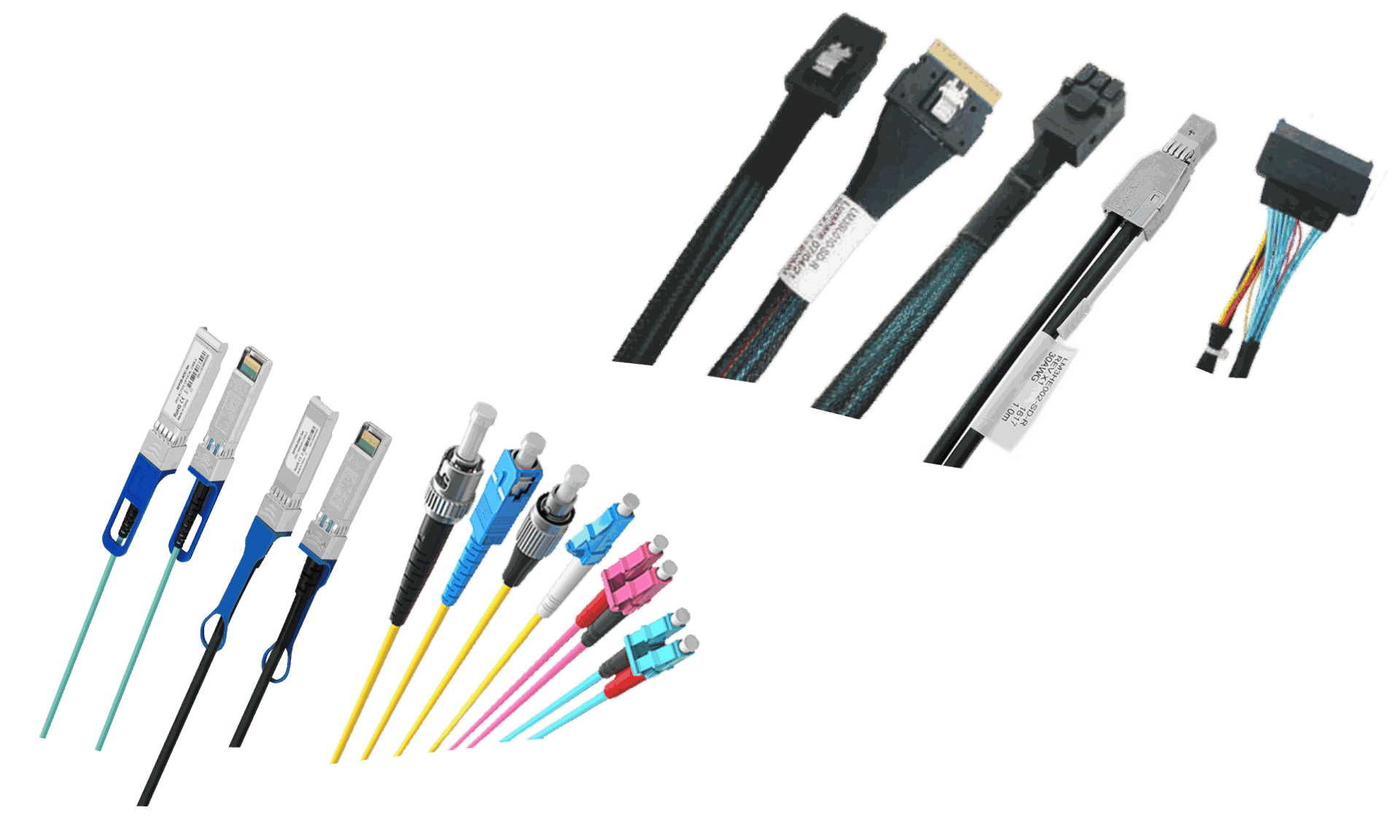
Data Center Server Connectivity: In modern data centers, each server hosts one or more NICs (typically 10GbE or 25GbE) connected to top-of-rack switches via SFP28 transceivers. These NICs handle east-west traffic between microservices, supporting millions of requests per second with hardware-accelerated load balancing.
HPC Cluster Interconnects: High-performance computing clusters use 100GbE or 200GbE NICs with RDMA over Converged Ethernet (RoCE) to achieve near-infiniband latency over standard Ethernet. This enables GPU-to-GPU communication across nodes for AI model training and scientific simulations.
Edge Computing and Industrial Networks: Ruggedized NICs with wide temperature ratings (-40 to 85 degrees Celsius) deploy in factory floors, telecommunications cabinets, and autonomous vehicle gateways, providing reliable connectivity in harsh environments where standard commercial NICs would fail.
MAC Address is a 48-bit hardware identifier burned into every NIC during manufacturing. The NIC uses this address as the source for all outgoing Ethernet frames, and network switches use it to forward frames to the correct destination port.
PCIe Lane determines the maximum bandwidth between the NIC and the host CPU. A PCIe Gen4 x16 slot provides 64 GB/s bidirectional bandwidth, ensuring the bus is never the bottleneck even for 400GbE NICs (PCI-SIG, 2022).
MTU (Maximum Transmission Unit) defines the largest frame size a NIC can transmit without fragmentation. Standard Ethernet MTU is 1500 bytes, but jumbo frames (up to 9000 bytes) reduce per-packet overhead by 40% for bulk data transfers.
SFP+ is the transceiver form factor used by 10GbE NICs. Each SFP+ cage supports hot-swappable optical or copper modules, giving operators flexibility to choose fiber or DAC connections based on distance requirements.
A NIC is the essential hardware interface between a server and its network. From 1GbE to 400GbE, NICs handle frame processing, error detection, and high-speed data transfer through PCIe connectivity. Whether deployed in data centers, HPC clusters, or edge environments, the NIC's performance directly determines network throughput, latency, and overall system efficiency.