
Products
AI Server Adapters
Server Adapters
Server Accessories
IPC & Machine Vision Card
Workstation / PC Card
EOL Products
Solutions
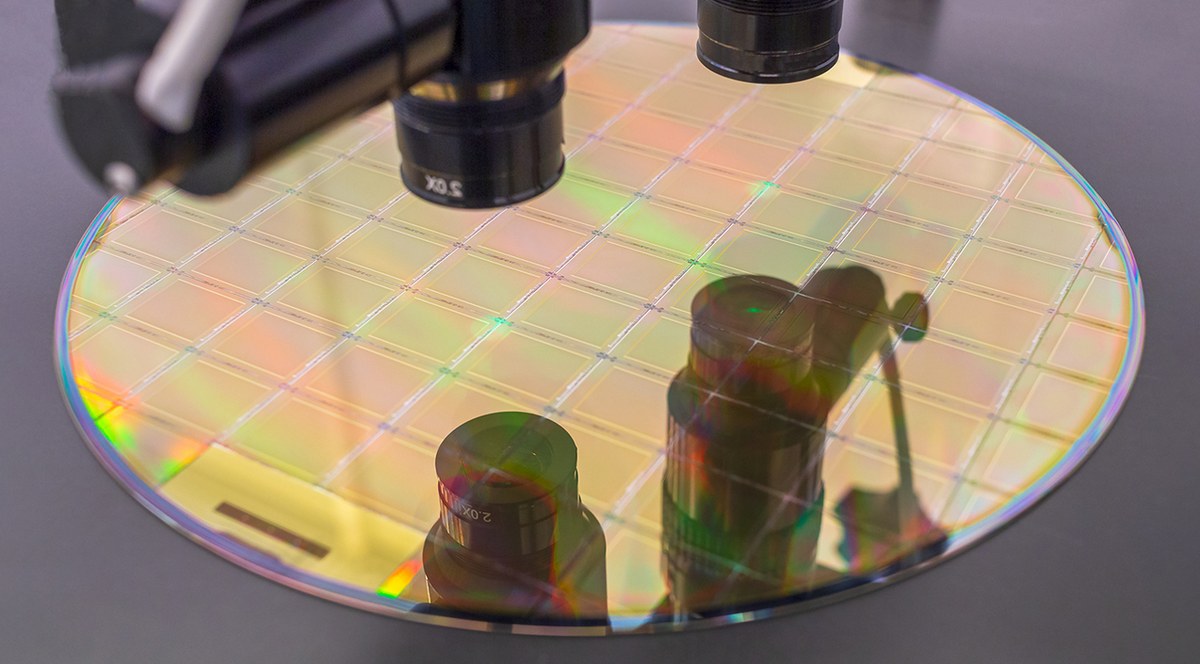
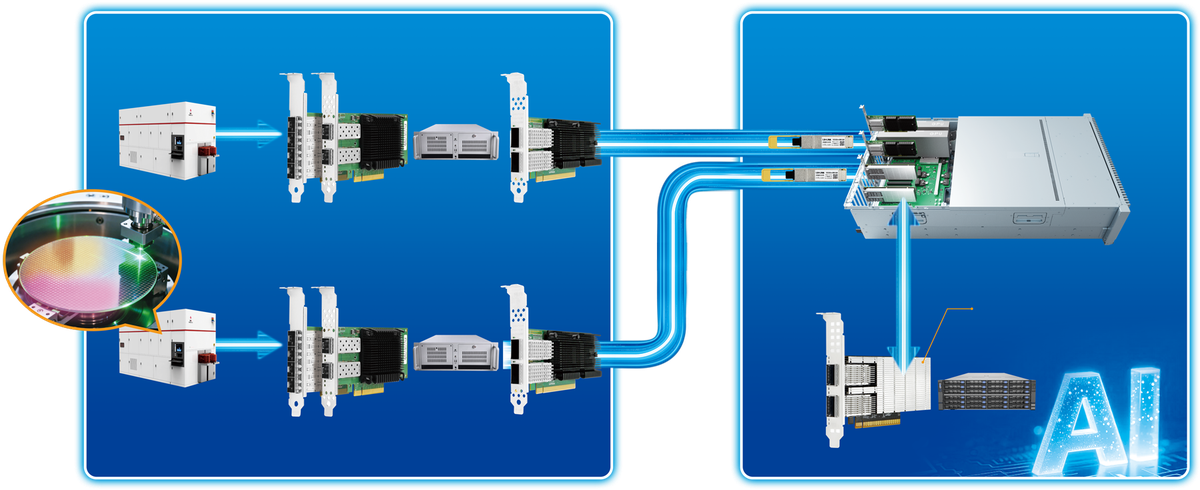
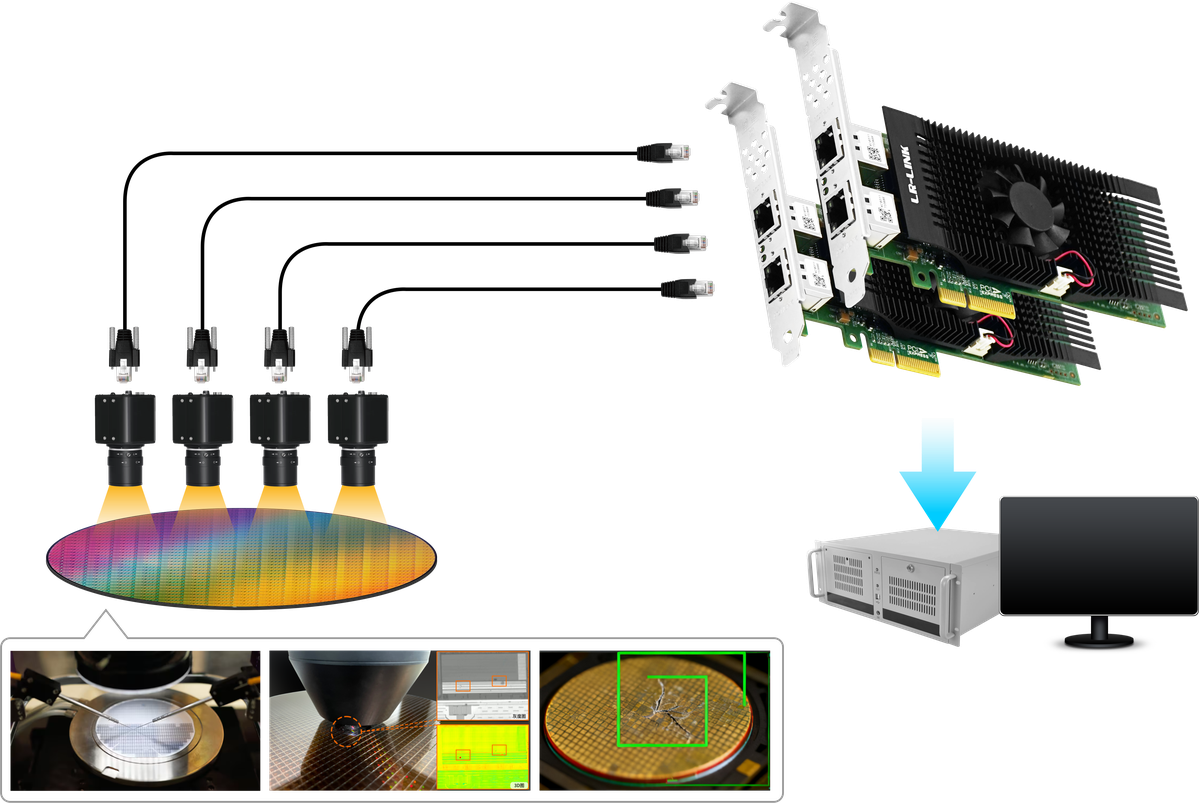
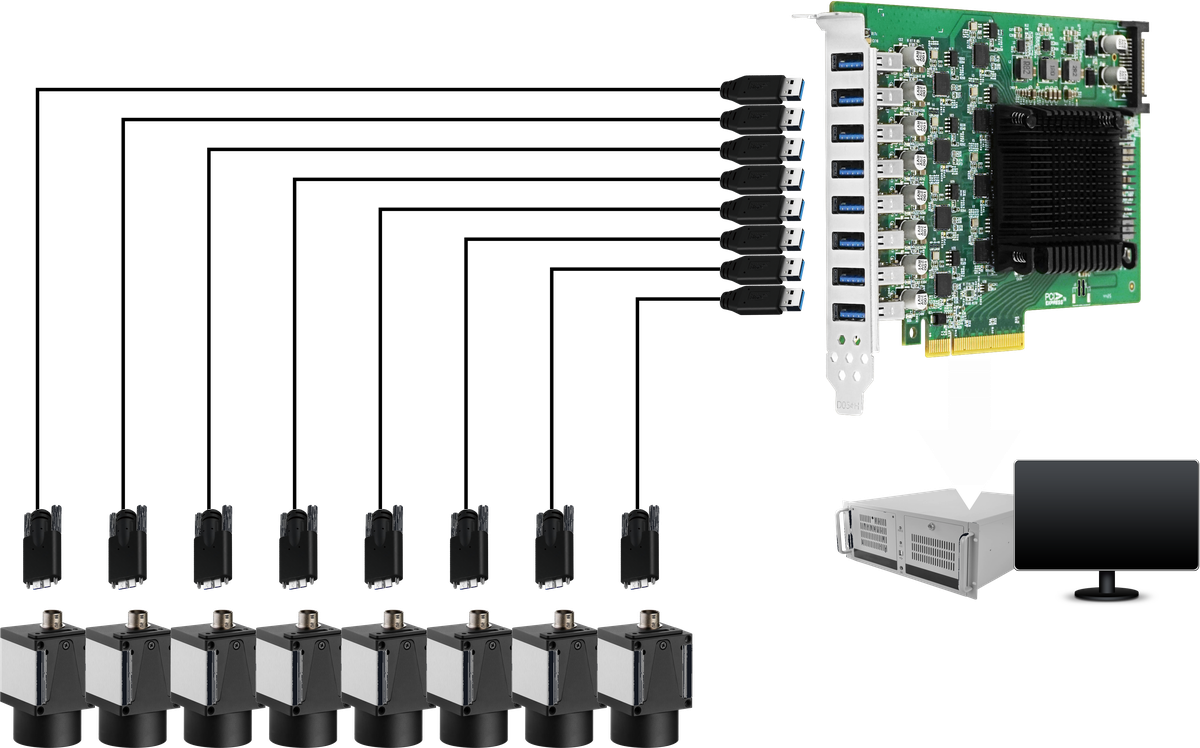
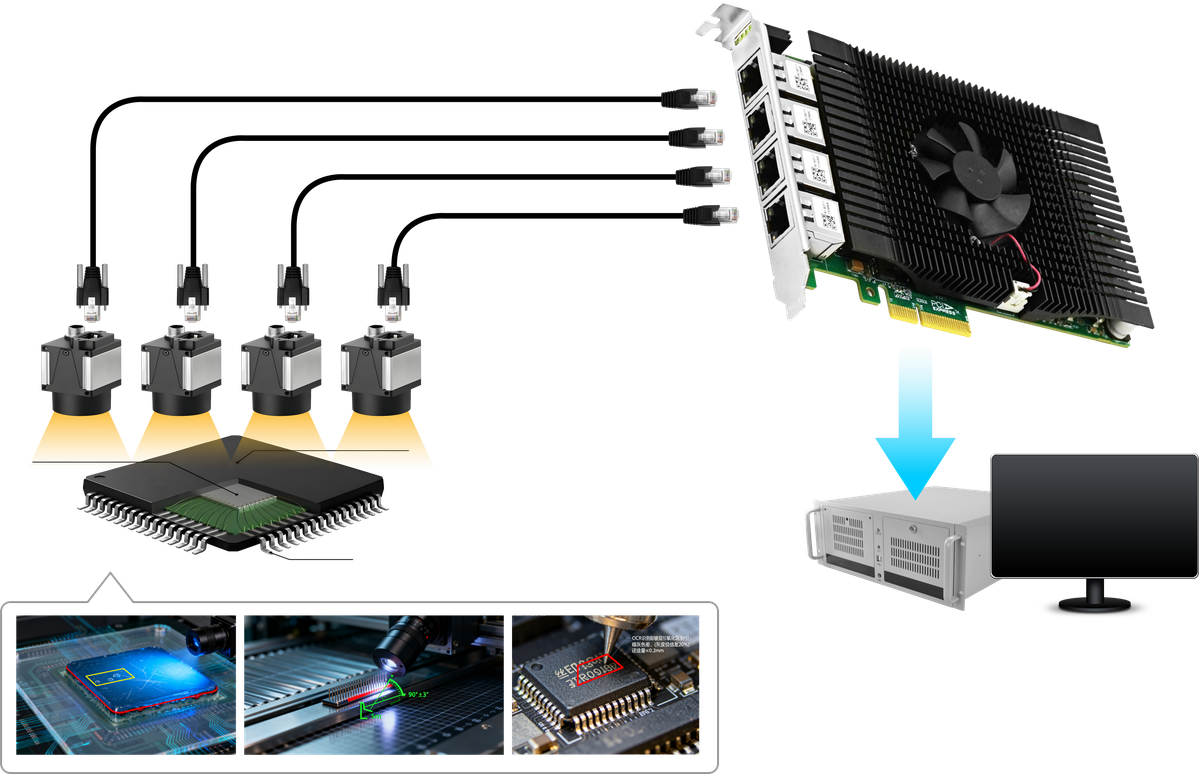






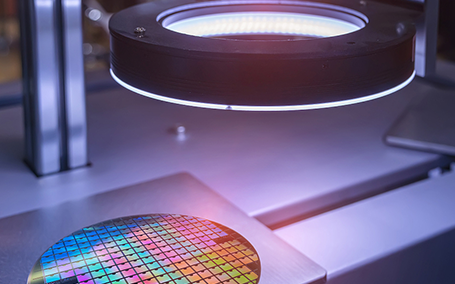


Semiconductor industry networking: lithography data transfer, wafer inspection GigE/USB capture, IC packaging & testing.
Semiconductor Solutions
Four solutions across the semiconductor manufacturing line, 1G to 200G.
Lithography Data Transfer Guide
2x100G fiber NICs with RDMA for mask layout data.
Wafer Inspection GigE Frame Grabber Guide
Jumbo frames and RDMA for frame-loss-free inspection.
Wafer Inspection USB Frame Grabber Guide
Multi-port independent bandwidth, plug-and-play, lower TCO.
IC Packaging & Testing NIC Guide
Gigabit multi-port cards for vision inspection.
With the advent of the Internet era, data has exploded, requiring storage systems to be "bigger", "faster" and "safer".
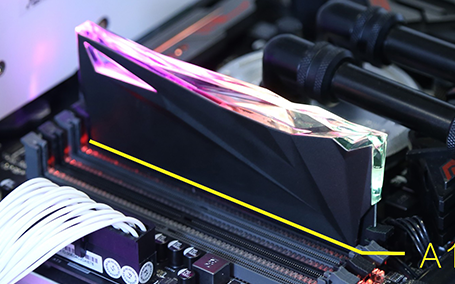
DDR5 Expansion
With its significant performance improvement, energy efficiency optimization, architectural innovation and functional enhancement, DDR5 memory has become the standard configuration of the new generation of high-performance computing platforms, providing more powerful and powerful solutions for personal computers, workstations, servers and various data-intensive applications. Efficient memory solution. As the technology matures and the market accepts it, DDR5 is gradually becoming the standard configuration of high-end computing equipment and gradually penetrating into the mainstream market.
DDR5 Testing
DDR5 improves bandwidth, density and channel efficiency, but higher data transfer rates and faster signal speeds lead to complex designs that push the boundaries of signal integrity and require higher performance measurements for DDR compliance test, DDR debug and validation.
SSD Test
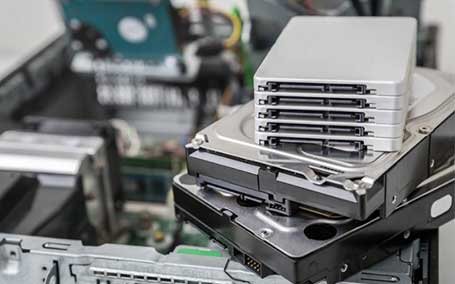
SSD testing puts forward higher requirements for testing efficiency with the popularization and development of technologies, such as mobile Internet, IoT, big data, and cloud computing, people's demand for data storage and processing has skyrocketed. SSD is a high-performance storage device and has experienced explosive growth with an average annual growth rate of 16.9%. To ensure the performance and reliability of SSDs, a series of tests need to be performed on it. The surge in market demand has significantly stimulated the growth of SSD testing needs and put forward higher requirements for testing efficiency.
GPU High-speed Expansion
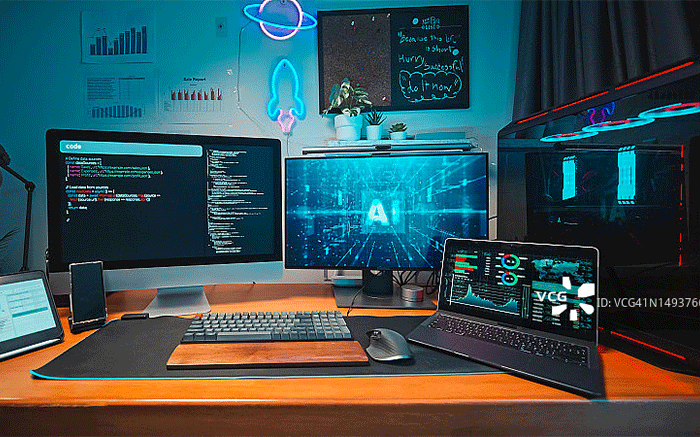
If you want to know what the hottest technology is in the past two years, I think "AI artificial intelligence" is definitely the most qualified to be on the list, especially after ChatGPT was launched, it quickly became popular on social media. In just 5 days, the number of registered users exceeded 1 million. At the end of January 2023, ChatGPT's monthly active users exceeded 100 million, making it the fastest growing consumer application in history.
GPU High-speed Expansion 2
If you want to know what the hottest technology is in the past two years, I think "AI artificial intelligence" is definitely the most qualified to be on the list, especially after ChatGPT was launched, it quickly became popular on social media. In just 5 days, the number of registered users exceeded 1 million. At the end of January 2023, ChatGPT's monthly active users exceeded 100 million, making it the fastest growing consumer application in history.
NVMe RAlD Expansion Solution
RAID card, the full name of which is Redundant Independent Disk Array Card, is a technology that combines multiple hard disks into one logical drive. With RAID card, storage capacity, performance, reliability and manageability can be improved. RAID card plays a vital role in the server, providing more efficient and secure data storage services.
SSD Expansion
With the rise of emerging industries such as cloud computing and big data, the demand for enterprise-level SSDs is growing. In 2022, enterprise-level SSD sales increased by 30% year-on-year, far higher than the growth rate of the personal consumer market. Especially in data center construction, major Internet giants have increased their investment, which has promoted the growth of demand for high-performance SSDs. The demand for SSD expansion has also increased.
Server is the platform for building an infrastructure of connected applications, networks, and web services.
Government Office
Fiber to The Desktop (FTTD) is an optical fiber that extends the fiber to the user's terminal computer in place of the traditional Category 5 copper cable to enable the user's terminal to access the entire fiber network. With the development of network technology, fiber transmission is one of the important transmission media for current information transmission. With FTTD, the signal never changes mediums, transmitting via fiber optics all the way to the back of your router, offering the clearest signal and best data integrity, as well as reduced jitter and latency.
FTTD may be used for virtual networks with clients and LAN networks using prolonged distances to workstations. It may fulfill the requirement for increasing bandwidth availability, transferring considerable quantities of information. Besides, it’s in a position to provide service to places where power is restricted or inaccessible and provide a much more secure connection for associations that are worried about tapping or other security vulnerabilities.
With the continuous decline in the prices of optical fiber and fiber access equipment, FTTD has also begun to be applied in special government departments such as finance, public security, national security, military industry, universities, and research institutes etc.
Small and Medium-sized Enterprises
The costs, the waste and the chaos of management are increasing sharply with the further intensification and deepening of enterprise informatization. The utilization of servers is low, and the utilization efficiency is not balanced. The utilization rate of most of the machines running in the computer room is very low. The resource utilization of CPU, memory and hard disk space does not exceed 15% because one server can only have one operating system and is limited by the system and software development platform. A lot of system resources are idle.
Virtualization technology is transforming the state of the IT industry by enabling organizations to dynamically improve the performance and efficiency of their IT infrastructure. The virtual machine play a major role in the organization, each virtual machine exists as a small group of files that simulate the entire hardware platform, including the CPU, RAM, and network ports. This powerful technology breaks the traditional system of "one server, one application" and summarizes its advantages: improving server utilization, realizing high availability of the server, and being easy to manage and maintain.
OCP3.0 Server NIC Solutions
OCP cards are usually connected to the server motherboard using the PCIe interface. It can be used to increase the computing power, storage capacity or network bandwidth of the server, and can be customized and configured according to specific needs. The advantage of OCP cards lies in its open design and interoperability. Servers using OCP cards can flexibly choose hardware solutions from different manufacturers, reduce costs and improve system performance. At the same time, the open source design of OCP cards has also promoted hardware innovation and technological progress, and accelerated the development of data centers.
100G and 25G Application Solutions
A PCIe card is a network card with a PCIe interface, which is used as an expansion port in motherboard-level connections. Specifically, PCIe-based expansion cards can be inserted into PCIe slots on the motherboards of devices such as hosts, servers and network switches. Most computer motherboards today have dedicated PCIe slots corresponding to PCIe cards, and generally the width of the slots is the same as the card or even wider.
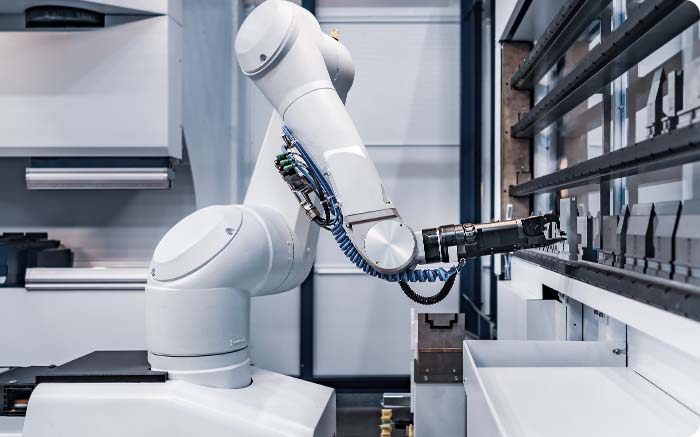
Machine vision is one of the founding technologies of industrial automation. It has helped improve product quality, speed production, and optimize manufacturing and logistics for decades. Now this proven technology is merging with artificial intelligence and leading the transition to Industry 4.0.
Machine Vision
Using machine vision technology is a system that uses technology to replace the human eye for measurement and judgment. It uses optical devices and non-contact sensors to automatically obtain information such as the distribution, brightness and color of the target object device through image processing according to the pixels of the image. And can carry out various calculations and discriminant analysis to extract the required feature information or to perform motion control on some field devices according to the results of discriminant analysis. IP terminals in the machine vision industry (such as IP intercom phones, wifi wireless LAN access point APs, web cameras, Manufacturing Industry, etc.). They can not only provide power for such devices when transmitting data signals. The development of an Ethernet network card with POE function has great influence in the machine vision industry. The adoption of the LRES2004PT-POE adapter can ensure the safety of the existing structured cabling and at the same time ensure the normal operation of the existing network, thereby minimizing costs and achieving the perfect combination of data transmission for machine vision solutions.
High-precision semiconductor finished product frame defect detection
The final inspection process of high-precision semiconductor finished product frames before leaving factory. After repeated stamping, silver plating, and clearing, there are still many defects on the product surface, such as imprints, contamination, and frame deformation. To ensure the quality of shipped products, re-testing is
required. Manual inspection is time- consuming and labor-intensive, and the inspection accuracy cannot be guaranteed.
Photovoltaic module silicon wafer appearance quality inspection
Steps such as appearance quality inspection of silicon wafers in photovoltaic modules, quality inspection of bus strip lead welding, etc. In actual inspection, the defect shape is random, the characteristics are not obviously, and the requirements of "0 missed detections and extremely low false detections" are extremely high due to the problem of lead length. In addition, the production efficiency of manual inspection does not match the market demand. Quality inspection costs are high, and efficiency is low, which brings significant challenges to photovoltaic manufacturers.
Military Product Defect Quality Inspection
Testing and experimentation runs through the entire life cycle of military equipment and is an important means to ensure the quality and safety of weapons and equipment. Military product testing and experimentation is a research process and technology that measures, measures and evaluates the functions and performance of its entire system, components or equivalent models under real, simulated or virtual conditions. It is an important part of the technological foundation of the national defense science and technology industry and runs through the entire life cycle of weapon and equipment research and development, finalization, manufacturing and maintenance. It plays a very important role in improving product quality.
Examining cyber policy and strategies for tackling cybercrime and cyber threats to critical infrastructure, especially civil and military nuclear facilities.
Firewall
Firewall is a kind of high performance hardware firewall, compared with other hardware firewall has essential difference.Actually,other hardware firewall is running a software firewall on PC platform, and the firewall is by ASIC chip to carry out the strategy of firewall and data encryption, so it's much faster than other firewalls. From software features, the firewall is a combination of state detection and application agent, for most of the applications of a firewall is monitoring the whole communication state,if the communication state is found to be abnormal, it wil refuse to enter a protected internal network, for FTP or H322 and other communication status is not well tracked service,the firewall by applying the agent to ensure the security of the service.
Equipment of a technology company. It has three Ethernet interfaces: DMZ interface, Trust interface and Untrust interface. As shown in the figure, the Trust interface is connected to the protected intranet, Untrust is connected to an external network (such as the Internet), and the DMZ interface is connected to the company's external servers, such as the Mail server and the WEB server. From the security level, the Trust interface is the most secure, followed by the DMZ, and finally Untrust. Taking into account the impact of security factors, the solution uses the network card LRES8001PT-BP produced by Shenzhen Lianrui Electronics Co., Ltd.
Gateways
The internet and online service hall access platforms are logically isolated from the Internet and meet the relevant functional requirements of level 3 protection. The comprehensive audit system guarantees WEB logs, database logs, server logs, etc.. Two unidirectional import and export channels are established using two security isolation and one-way transmission systems (ie, one-way optical shutters) to exchange data between internal and external networks, and to perform protocol stripping, format checking and content filtering on incoming and outgoing data.
Implementation Effect:
This solution uses the LREC9801BF-TX/RX Gigabit SFP module + one-way transmission module used by customers of a technology company, which has great influence in the network gate industry to enable direct transmission of data. At present, it is very useful to transfer data between many administrative units and extranets. Because of the dense network of the government's internal network and the external network (connected to the Internet) is "physically isolated", but many government affairs documents on the external network are expected to be used in the internal network, and the workload is high due to manual copying.
Network security whole machine network card expansion solution
First of all, we need to understand what Bypass is. Let's take a simple example: Everyone knows that network security devices are generally used between two or more networks, such as between an intranet and an extranet. The application in the network security device will analyze the internal information on the network packet, and after determining that there is no threat, it will pass the packet out according to certain routing rules. However, the premise of existence is that there is no problem with the network communication equipment. When the network security device freezes, loses power, or other failures, the networks connected to this device will lose contact with each other. At that time, if we still need to require that the networks be connected, this requires Bypass to come forward.
Live broadcast industry network direct application solution
Because of its popularity, the live broadcast industry has also begun to suffer from various cyber attacks. There are two types of attackers. The first type is professional cyber criminals who specialize in extortion to make huge profits; the other type is competitors who are not as good as you and try to use cyber attacks to defeat you. Therefore, in order to avoid such huge economic losses, the live broadcast industry must do a good job of protection and defend against cyber attacks.


Comments (0)