


Solutions





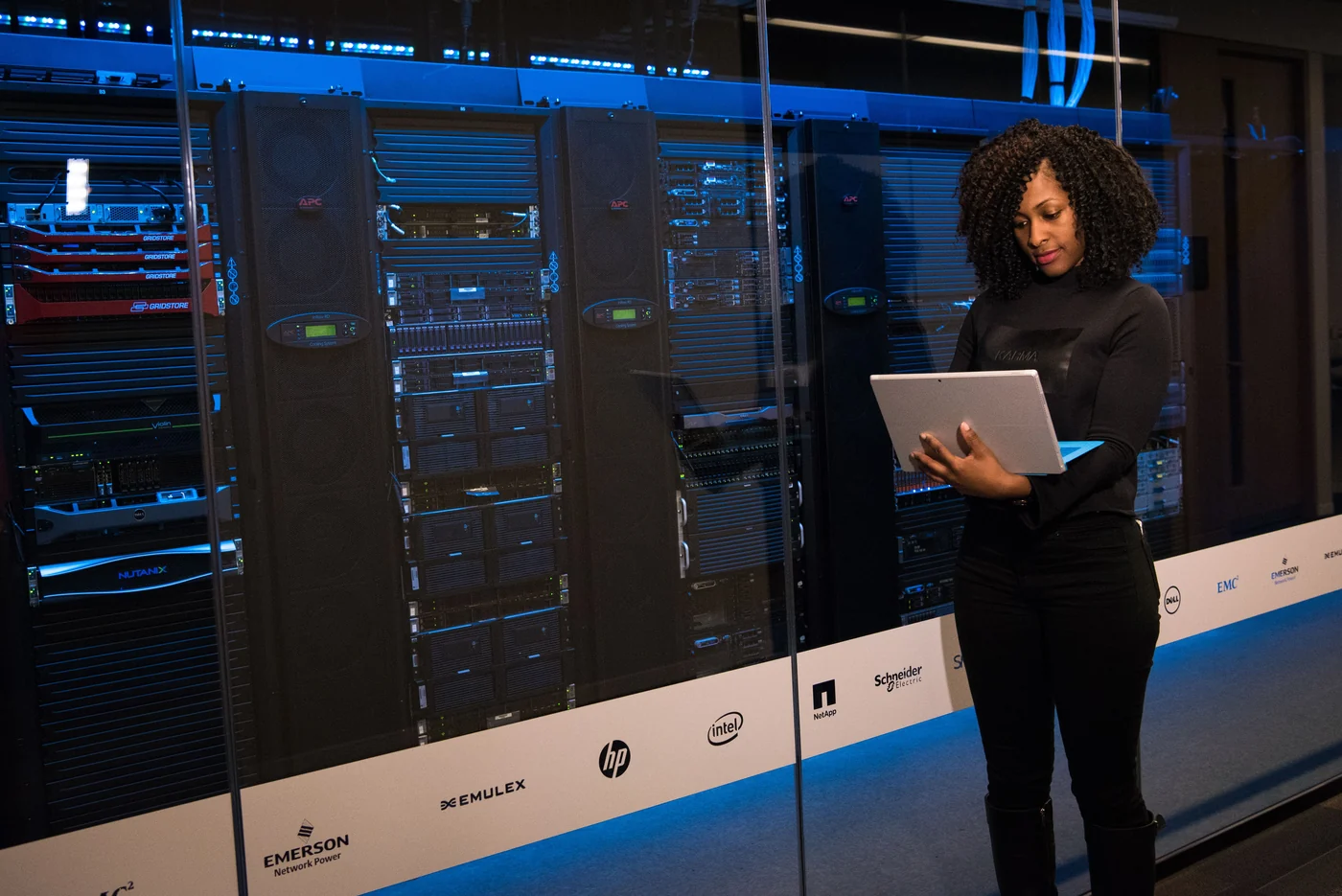
With the advent of the Internet era, data has exploded, requiring storage systems to be "bigger", "faster" and "safer".
DDR5 Expansion
With its significant performance improvement, energy efficiency optimization, architectural innovation and functional enhancement, DDR5 memory has become the standard configuration of the new generation of high-performance computing platforms, providing more powerful and powerful solutions for personal computers, workstations, servers and various data-intensive applications. Efficient memory solution. As the technology matures and the market accepts it, DDR5 is gradually becoming the standard configuration of high-end computing equipment and gradually penetrating into the mainstream market.
DDR5 Testing
DDR5 improves bandwidth, density and channel efficiency, but higher data transfer rates and faster signal speeds lead to complex designs that push the boundaries of signal integrity and require higher performance measurements for DDR compliance test, DDR debug and validation.
SSD Test
SSD testing puts forward higher requirements for testing efficiency with the popularization and development of technologies, such as mobile Internet, IoT, big data, and cloud computing, people's demand for data storage and processing has skyrocketed. SSD is a high-performance storage device and has experienced explosive growth with an average annual growth rate of 16.9%. To ensure the performance and reliability of SSDs, a series of tests need to be performed on it. The surge in market demand has significantly stimulated the growth of SSD testing needs and put forward higher requirements for testing efficiency.
GPU High-speed Expansion
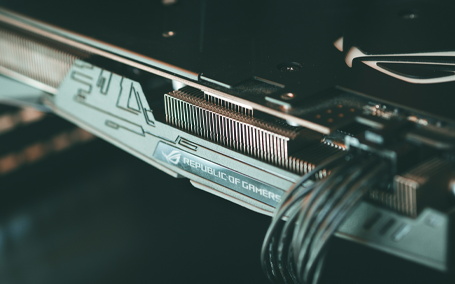
If you want to know what the hottest technology is in the past two years, I think "AI artificial intelligence" is definitely the most qualified to be on the list, especially after ChatGPT was launched, it quickly became popular on social media. In just 5 days, the number of registered users exceeded 1 million. At the end of January 2023, ChatGPT's monthly active users exceeded 100 million, making it the fastest growing consumer application in history.
GPU High-speed Expansion 2
If you want to know what the hottest technology is in the past two years, I think "AI artificial intelligence" is definitely the most qualified to be on the list, especially after ChatGPT was launched, it quickly became popular on social media. In just 5 days, the number of registered users exceeded 1 million. At the end of January 2023, ChatGPT's monthly active users exceeded 100 million, making it the fastest growing consumer application in history.
NVMe RAlD Expansion Solution
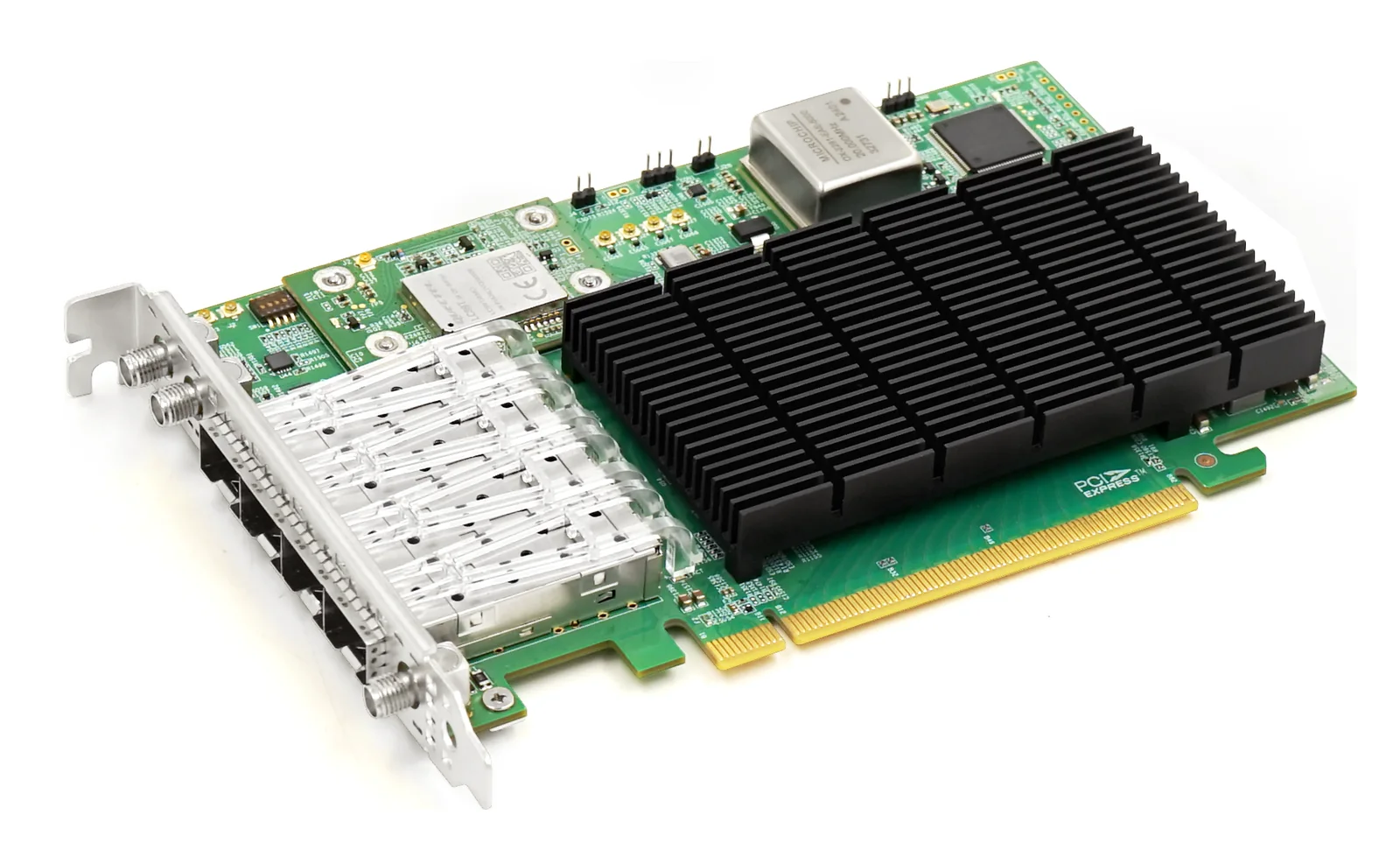
RAID card, the full name of which is Redundant Independent Disk Array Card, is a technology that combines multiple hard disks into one logical drive. With RAID card, storage capacity, performance, reliability and manageability can be improved. RAID card plays a vital role in the server, providing more efficient and secure data storage services.
SSD Expansion
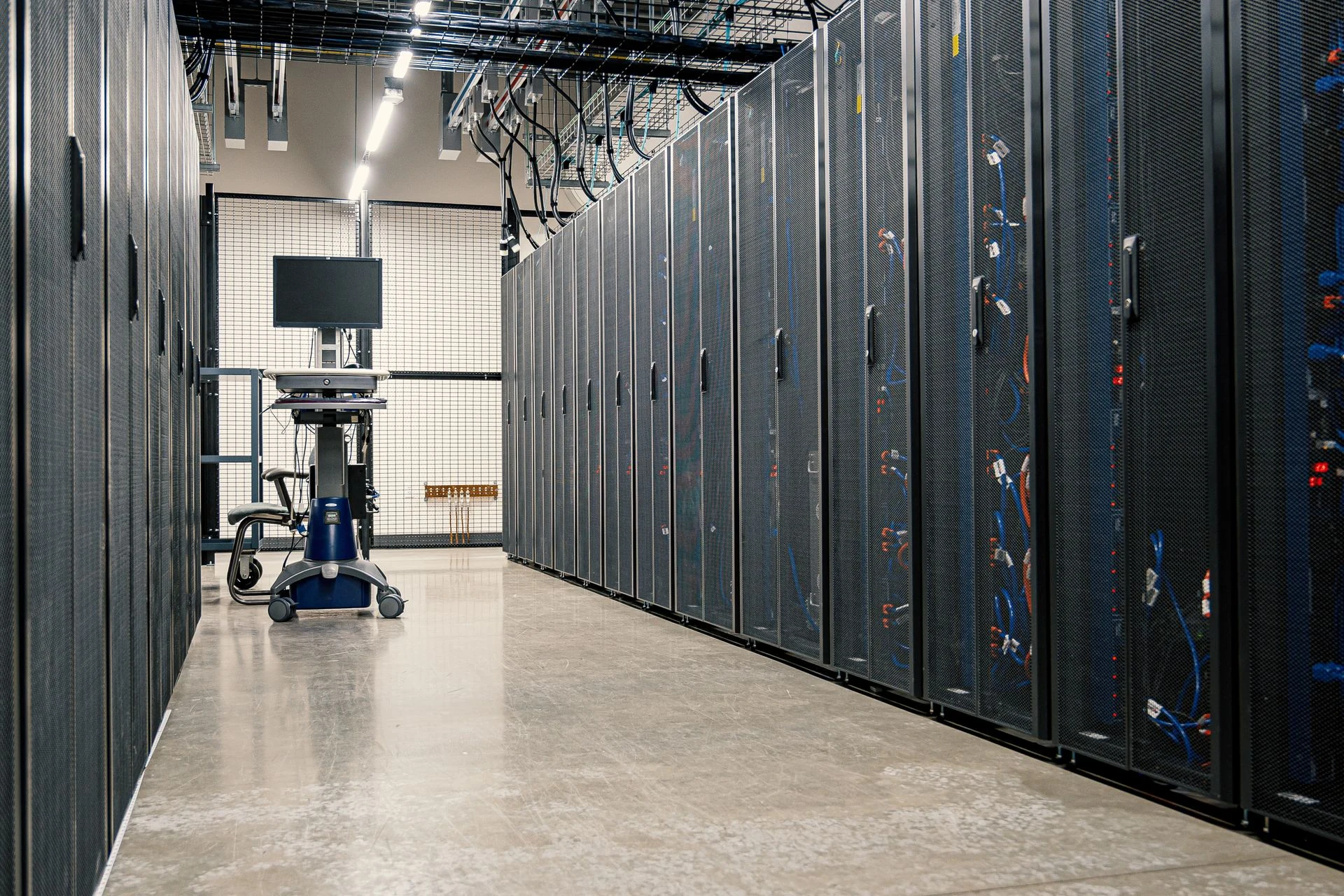
With the rise of emerging industries such as cloud computing and big data, the demand for enterprise-level SSDs is growing. In 2022, enterprise-level SSD sales increased by 30% year-on-year, far higher than the growth rate of the personal consumer market. Especially in data center construction, major Internet giants have increased their investment, which has promoted the growth of demand for high-performance SSDs. The demand for SSD expansion has also increased.












 Nov 27, 2026


