Key networking and hardware terms — explained for engineers, by engineers.
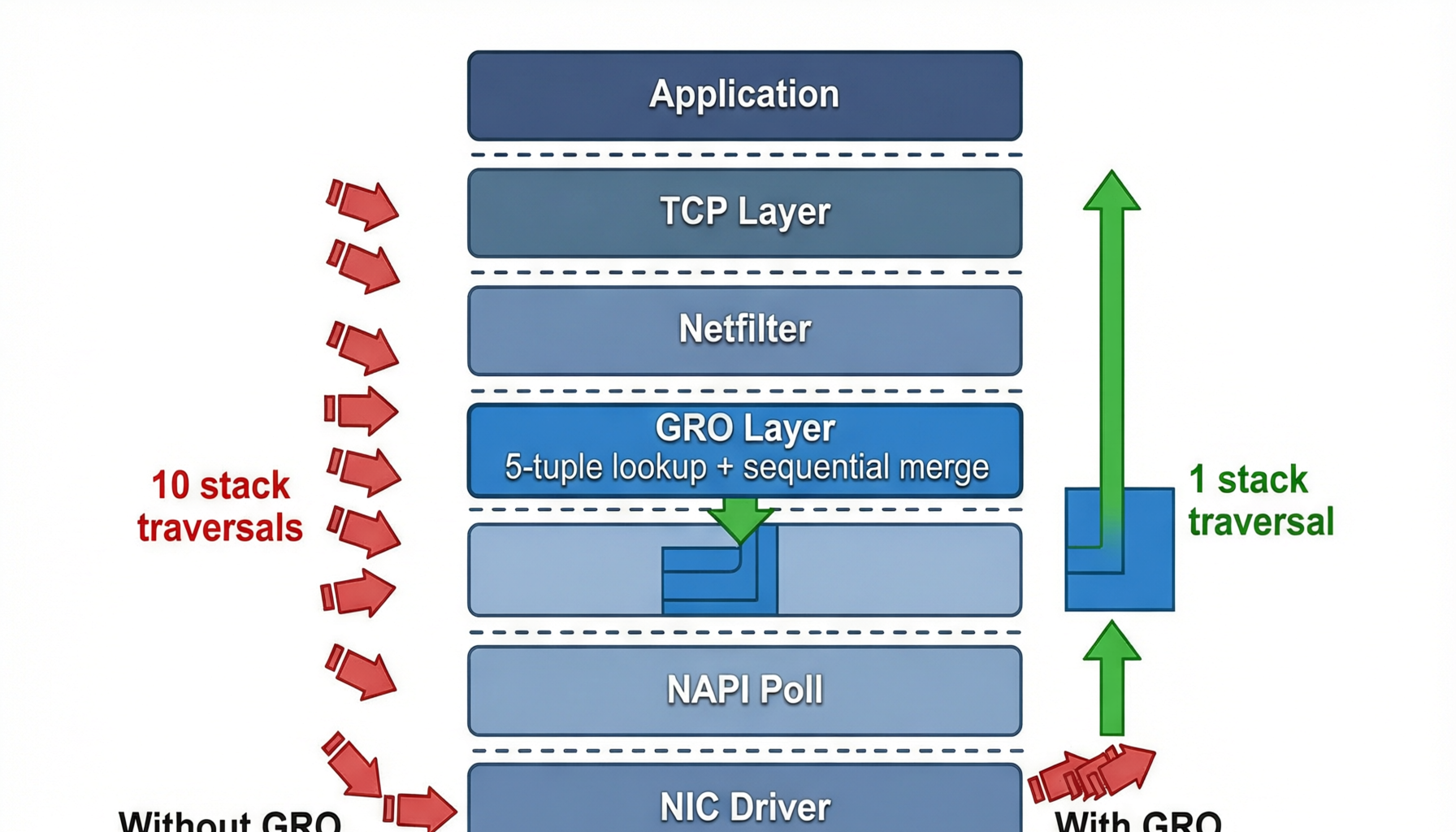
GRO (Generic Receive Offload) reassembles TCP segments in the kernel network stack to reduce CPU overhead. Learn how GRO works and how it differs from LRO.
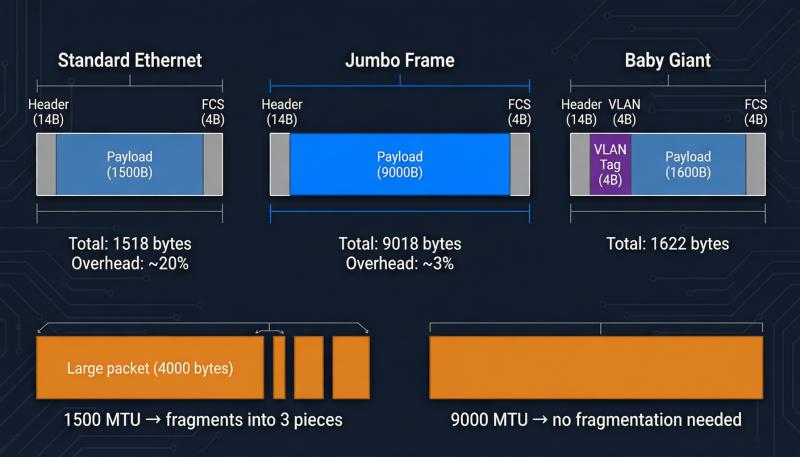
A jumbo frame is an Ethernet frame with MTU larger than 1500 bytes, typically 9000 bytes. Learn how it works, benefits, and real-world applications.
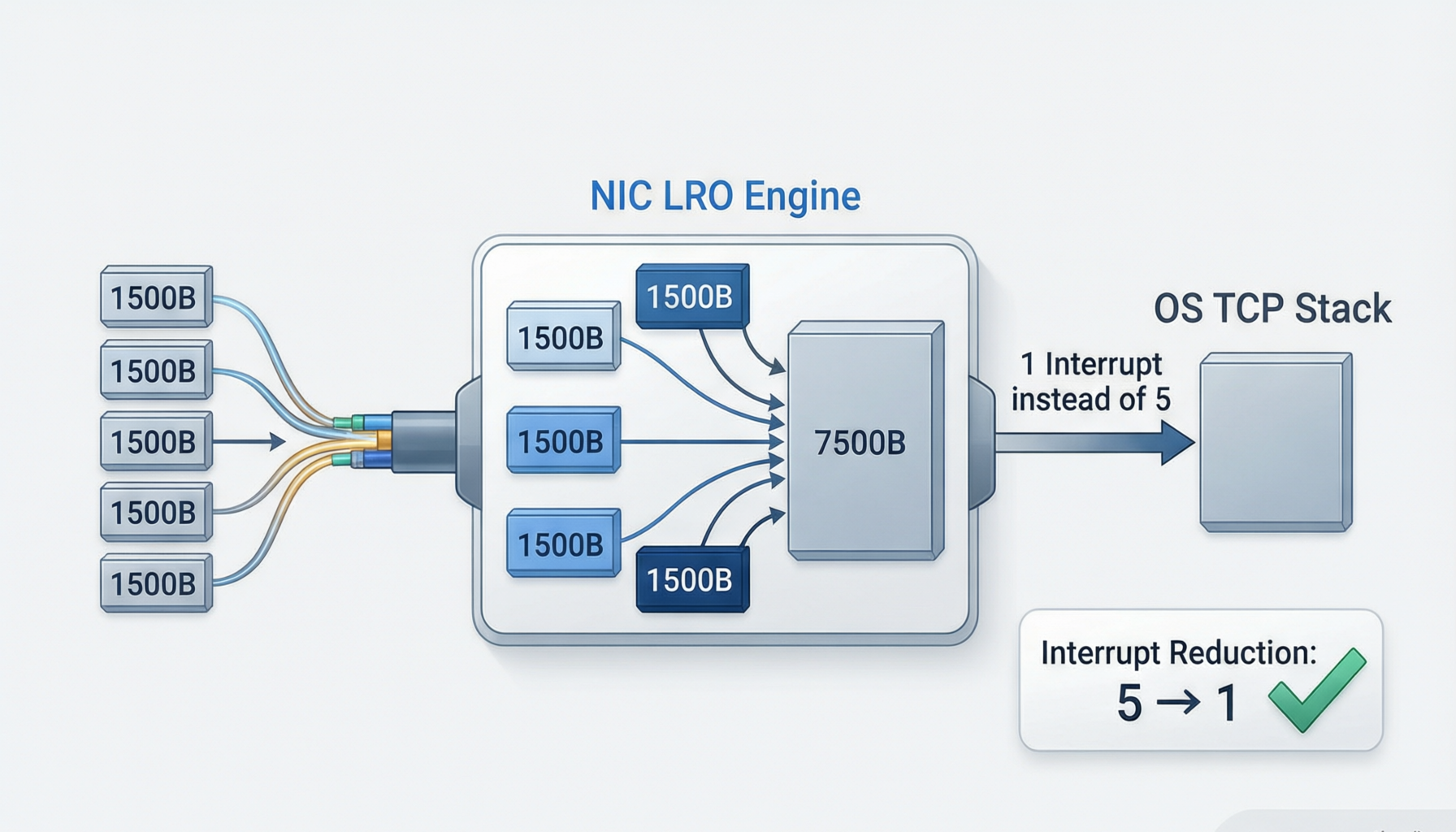
LRO (Large Receive Offload) reassembles incoming TCP segments on the NIC to reduce CPU load. Learn how LRO works, its limits, and when to use it.
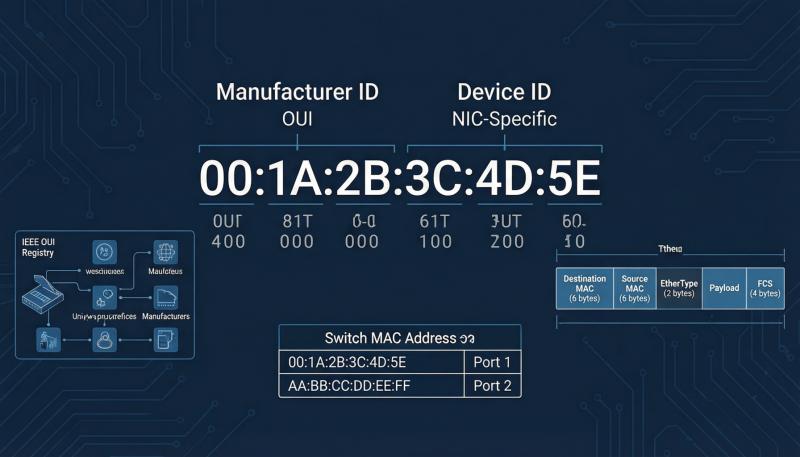
A MAC address is a unique hardware identifier assigned to network interfaces. Learn its format, types, and real-world applications.
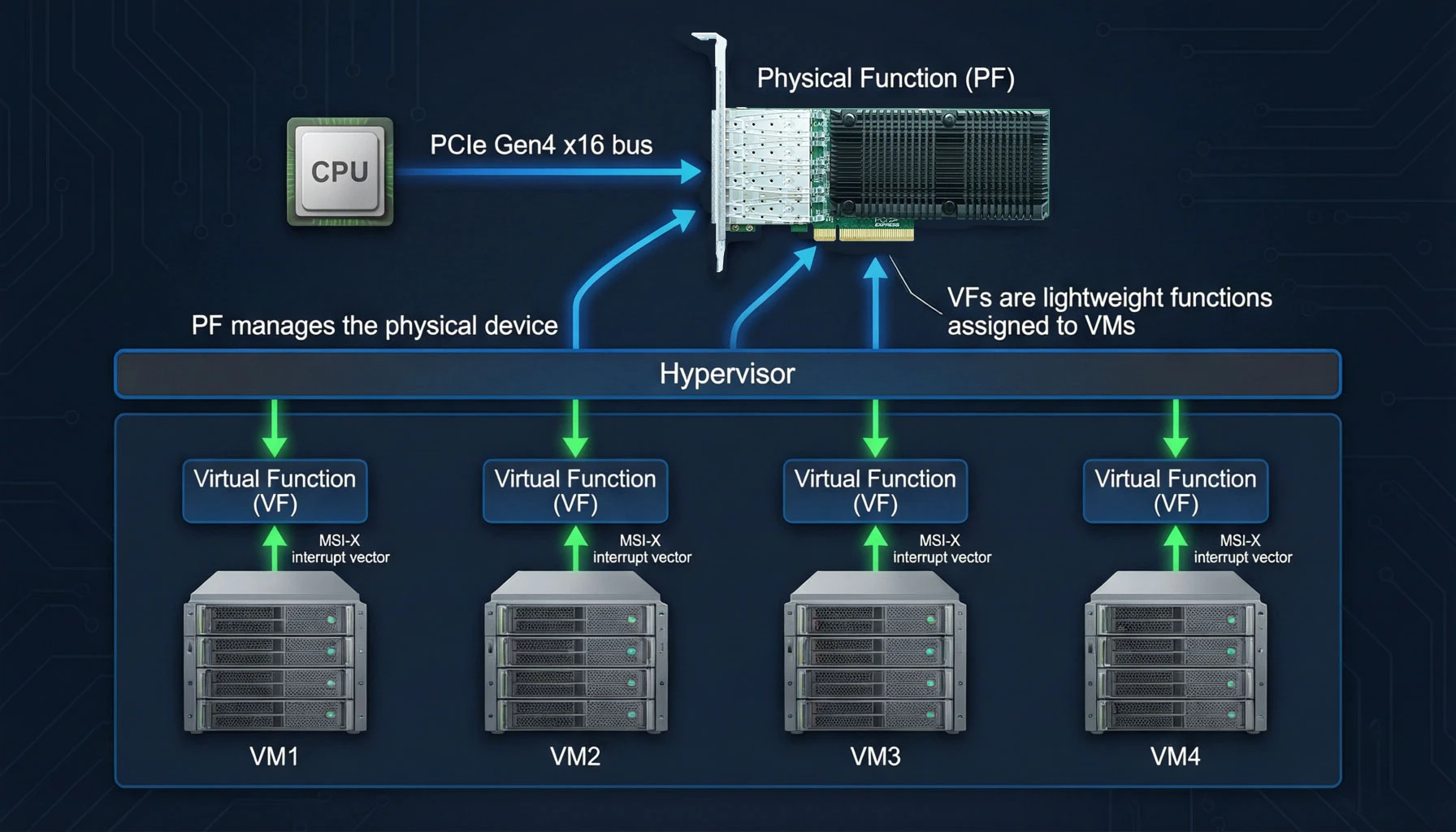
MSI-X is a PCIe interrupt mechanism enabling per-device interrupt vectors. Learn how it works, advantages over INTx, and real-world applications.
MTU (Maximum Transmission Unit) defines the largest frame size a network can transmit. Learn MTU sizes, jumbo frames, and real-world applications.
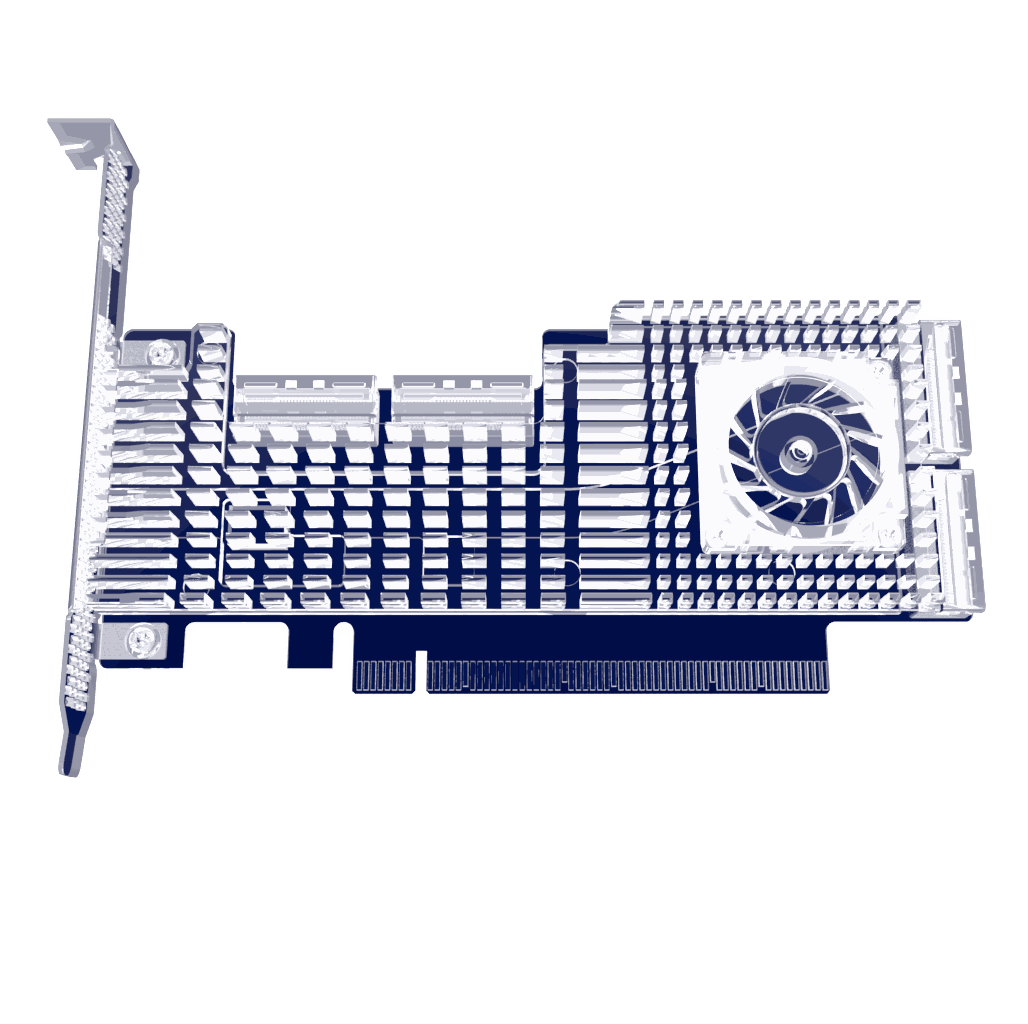
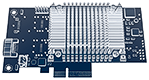
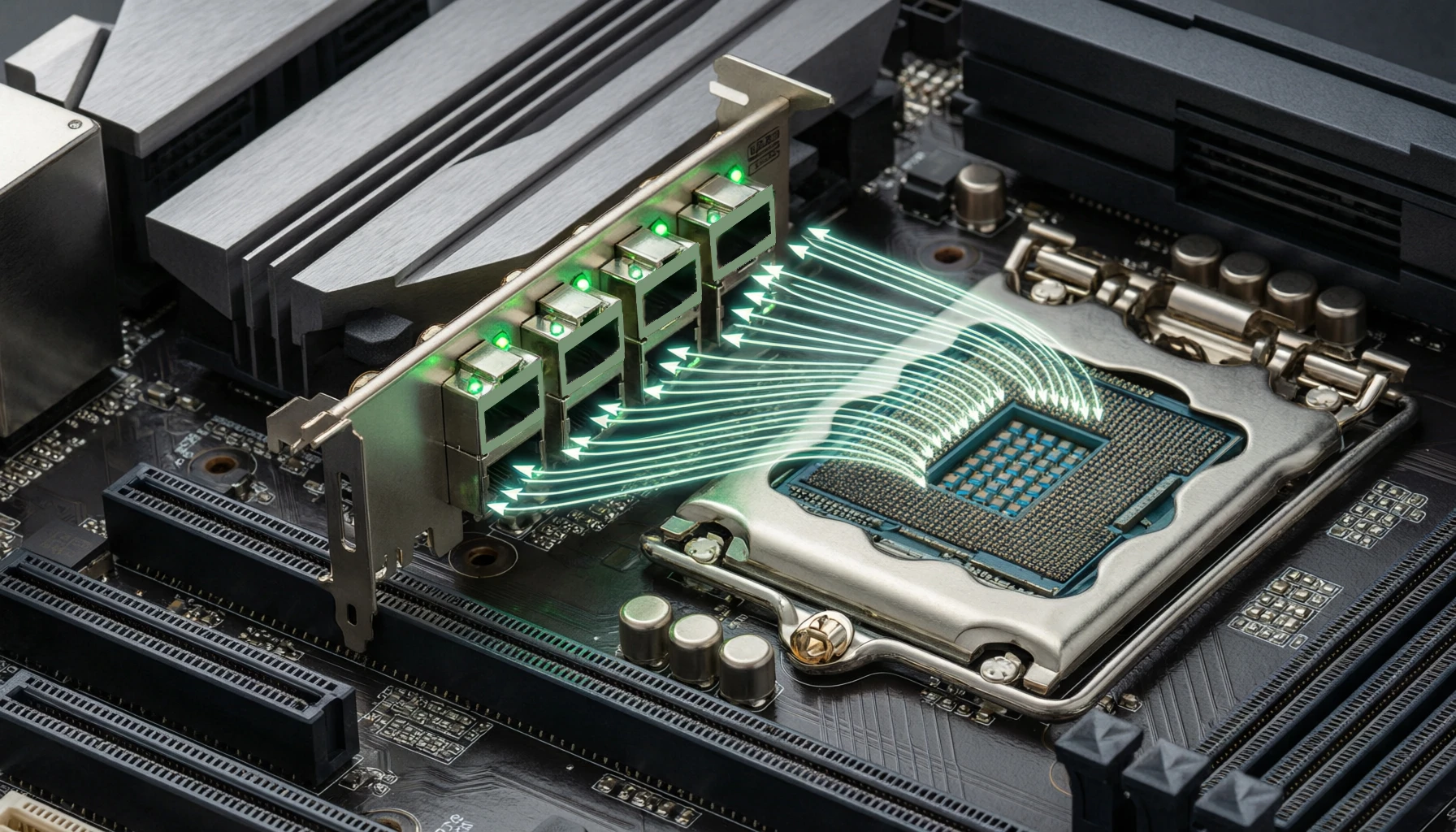
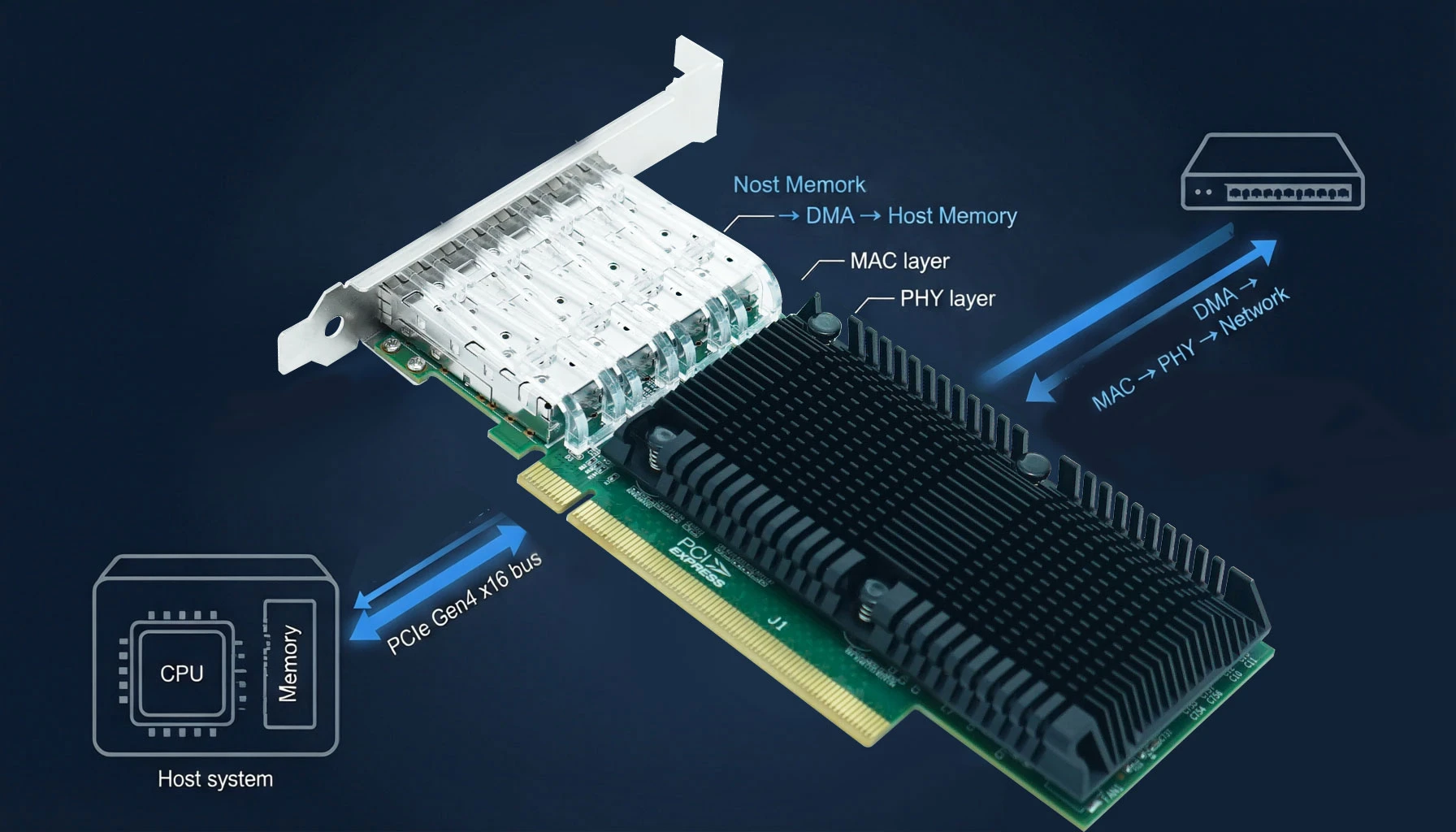
A NIC (Network Interface Card) connects devices to a network. Learn how NICs work, types, key benefits, and real-world applications.
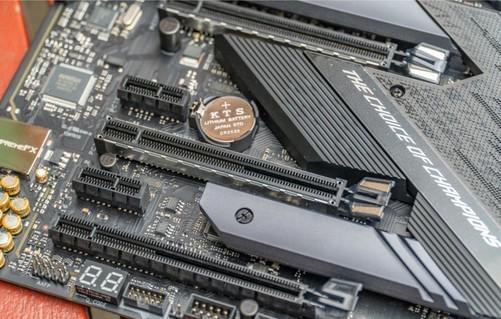
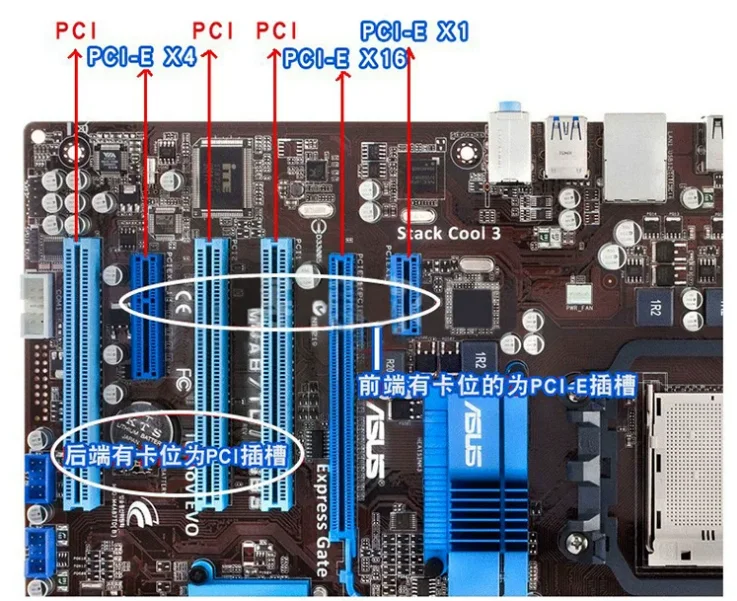
The PCIe bus is a high-speed serial computer expansion bus standard. Learn its architecture, topology, generations, and real-world applications.
A PCIe lane is a single full-duplex serial connection in the PCI Express bus. Learn how lane count affects bandwidth, PCIe generations, and real-world applications.
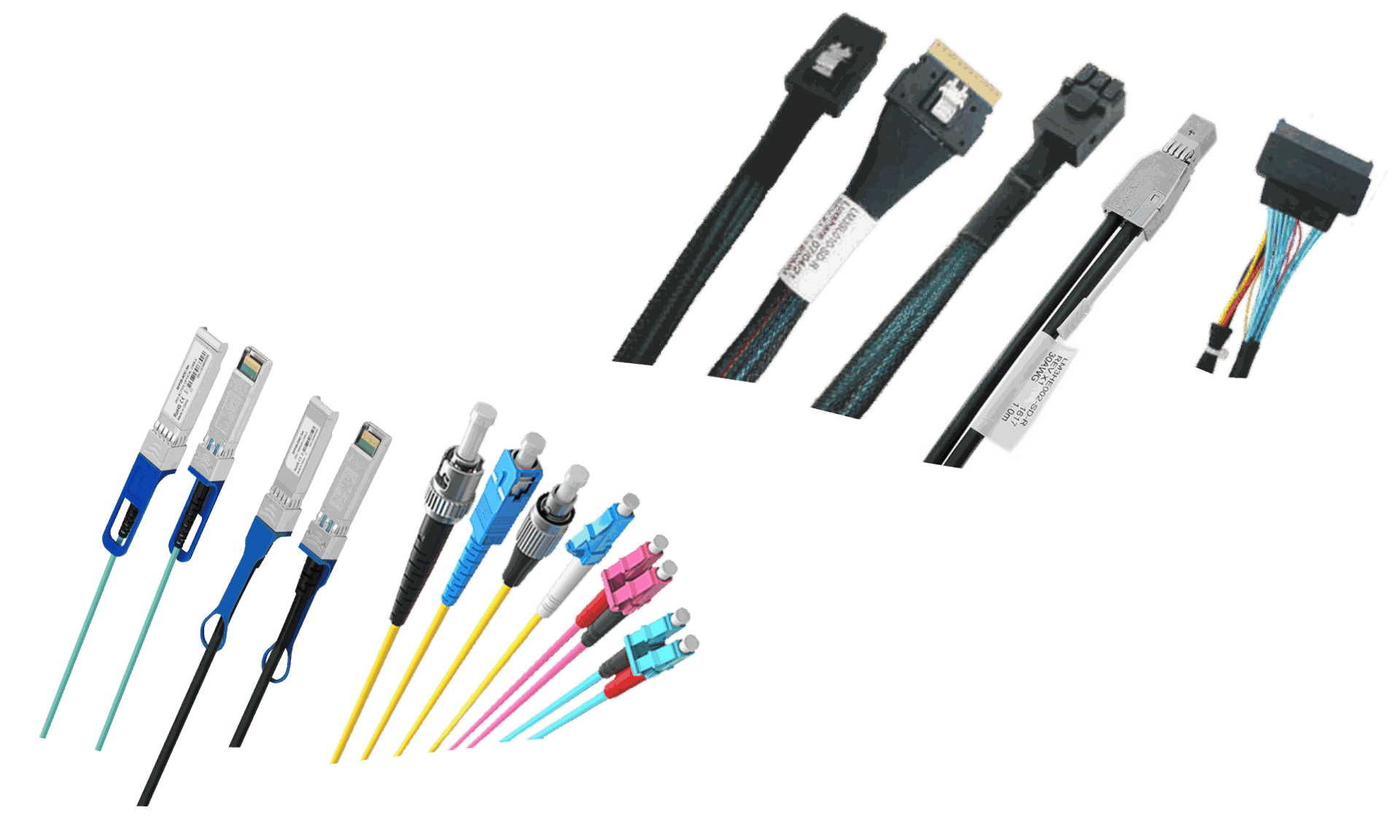
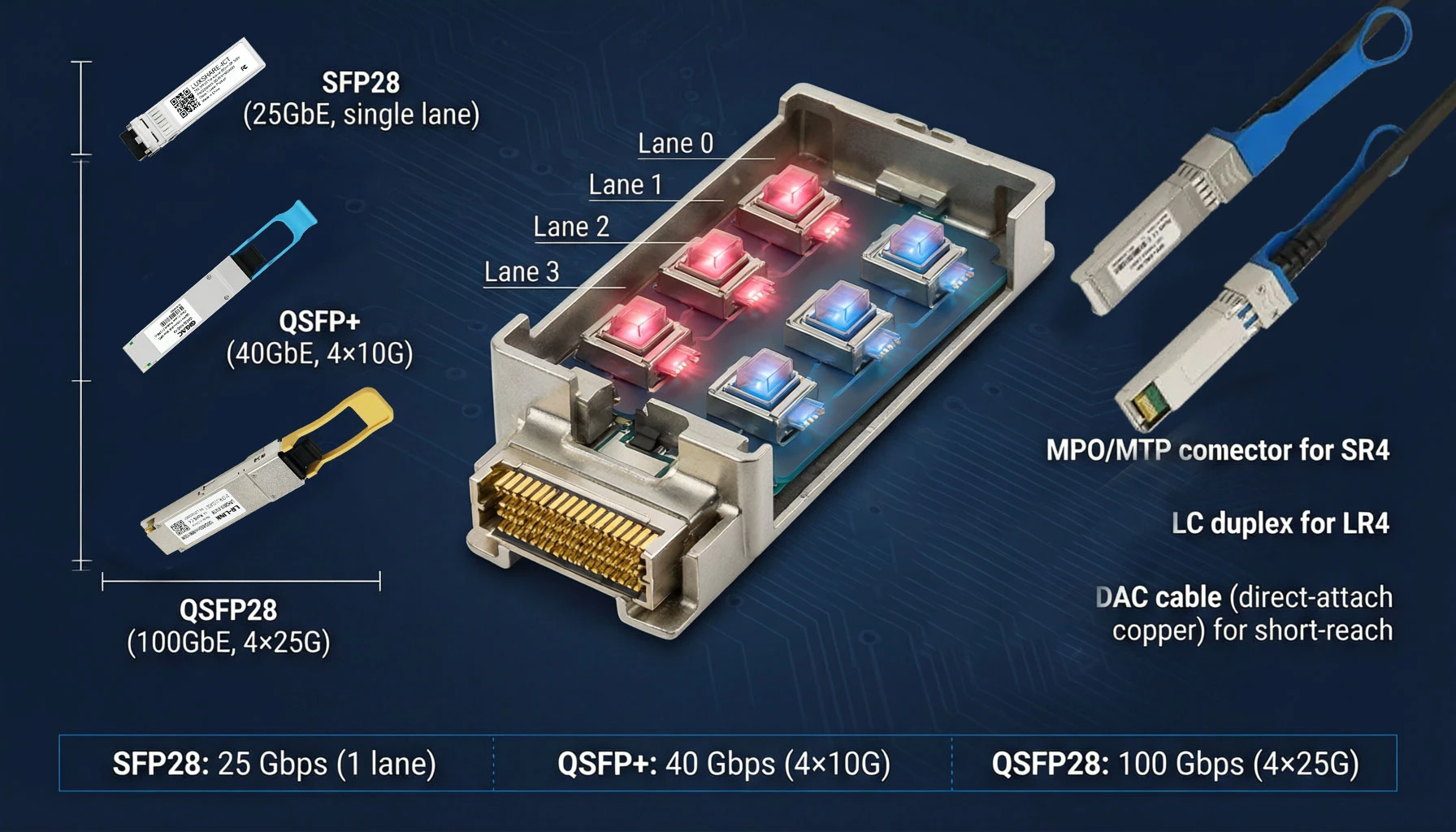
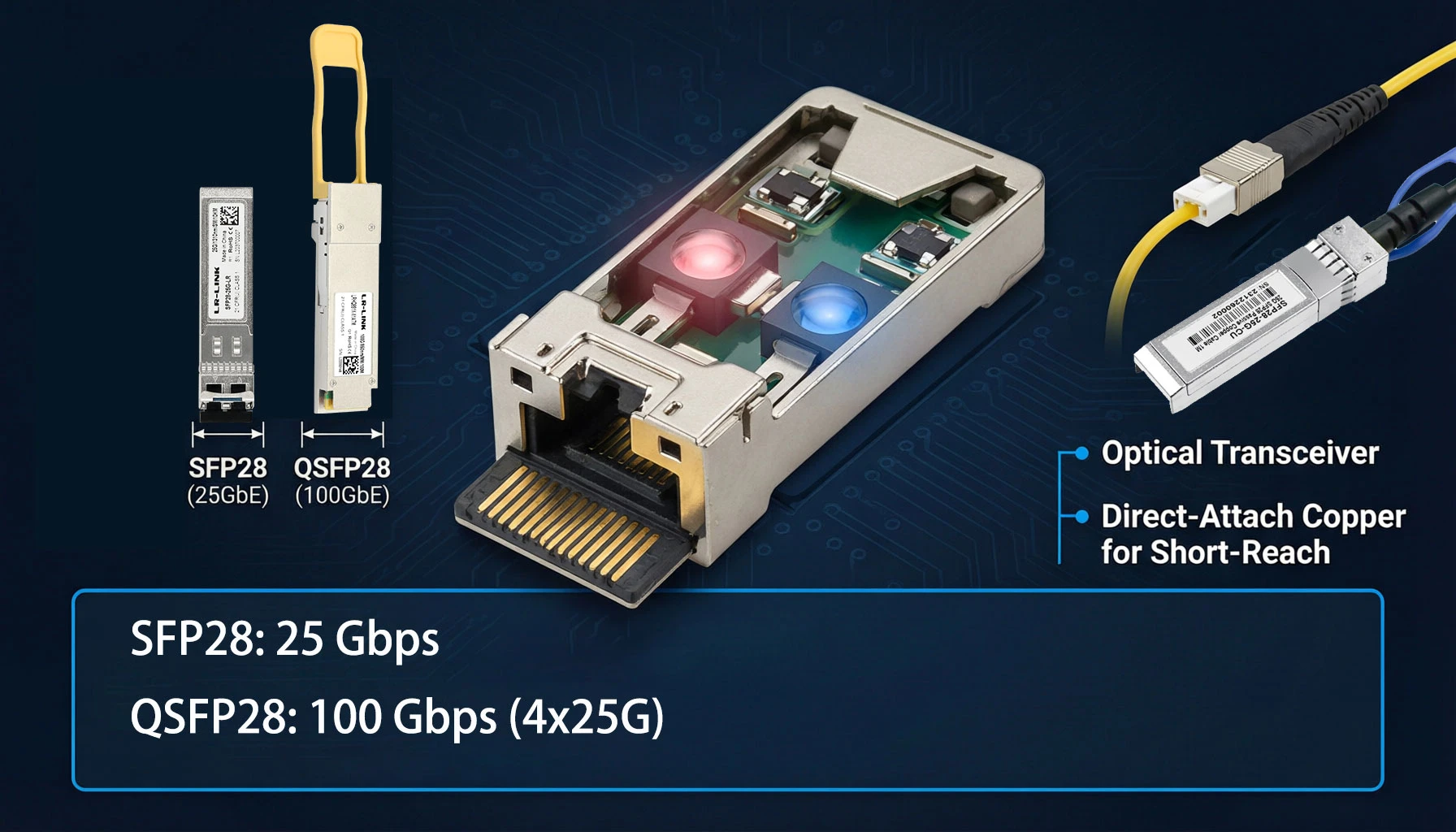
QSFP28 is a 100 Gbps quad small form-factor pluggable transceiver. Learn how it works, compatibility, and real-world applications.
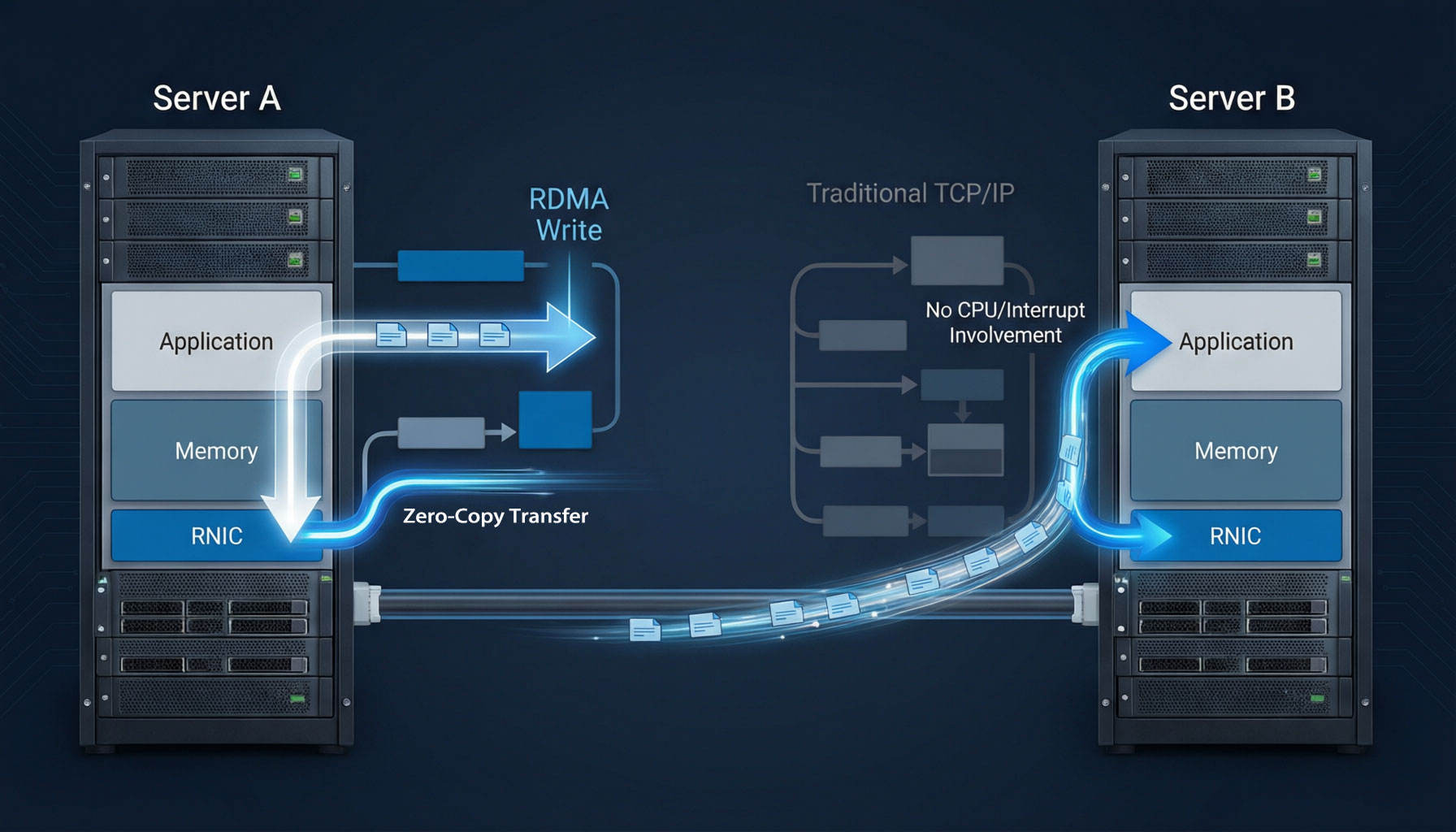
RDMA (Remote Direct Memory Access) enables zero-copy, kernel-bypass data transfer between servers. Learn how it works, key benefits, and real-world applications.
SFP28 is a 25 Gbps small form-factor pluggable transceiver. Learn how it works, compatibility with SFP+, and real-world applications.
SR-IOV (Single Root I/O Virtualization) enables a single PCIe device to appear as multiple virtual devices. Learn how it works, key benefits, and real-world applications.
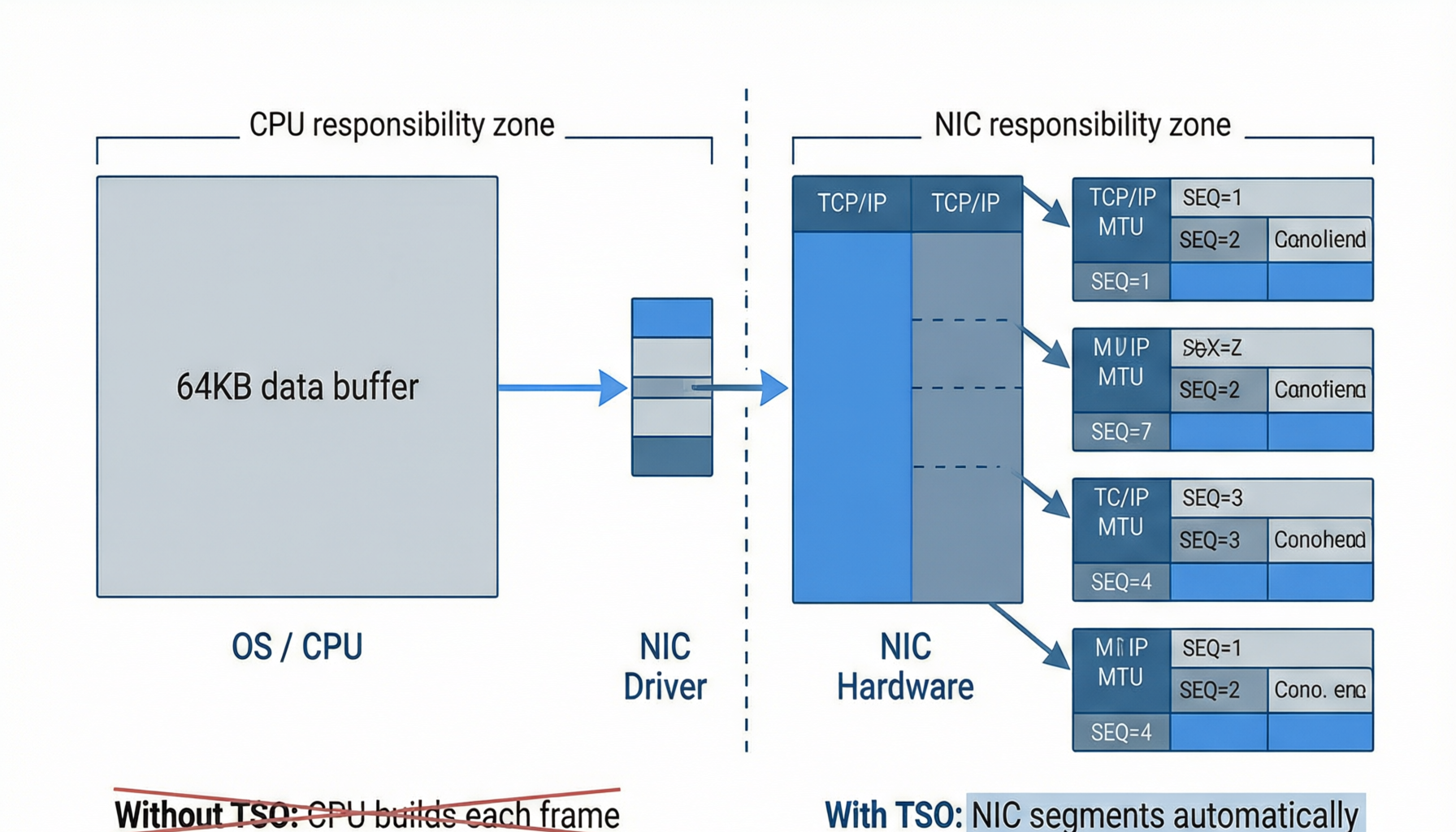
TSO (TCP Segmentation Offload) moves TCP segment processing from the CPU to the NIC. Learn how TSO works, its benefits, and real-world use cases.