A jumbo frame is an Ethernet frame with a Maximum Transmission Unit (MTU) larger than the standard 1500 bytes, typically 9000 bytes. Defined in IEEE 802.3as-2005, jumbo frames reduce protocol overhead by carrying more payload data per frame, improving throughput for large data transfers. While not part of the original Ethernet standard, jumbo frames are widely supported by modern NICs, switches, and storage devices in data center environments (IEEE 802.3as-2005).
Standard Ethernet frames carry up to 1500 bytes of payload data. Jumbo frames extend this limit:
Frame Structure: Both standard and jumbo frames have the same structure: preamble (7 bytes), start frame delimiter (1 byte), destination/source MAC addresses (12 bytes), EtherType (2 bytes), payload (variable), and Frame Check Sequence (4 bytes). The only difference is the payload size.
MTU Negotiation: Devices must agree on MTU size. If a jumbo frame (9000 bytes) encounters a device that only supports standard MTU (1500 bytes), the frame is either dropped or fragmented, causing performance issues.
End-to-End Support: All devices in the network path (NICs, switches, routers) must support jumbo frames. If any device in the path has a smaller MTU, fragmentation occurs or packets are dropped.
Processing Efficiency: Larger frames mean fewer frames per second for the same data volume. A 9000-byte jumbo frame carries 6× the payload of a 1500-byte standard frame, reducing interrupt overhead and CPU utilization.
The maximum jumbo frame size varies by vendor: 9000 bytes is most common, but some devices support up to 9216 bytes (including Ethernet headers) or even 64KB for specialized applications.
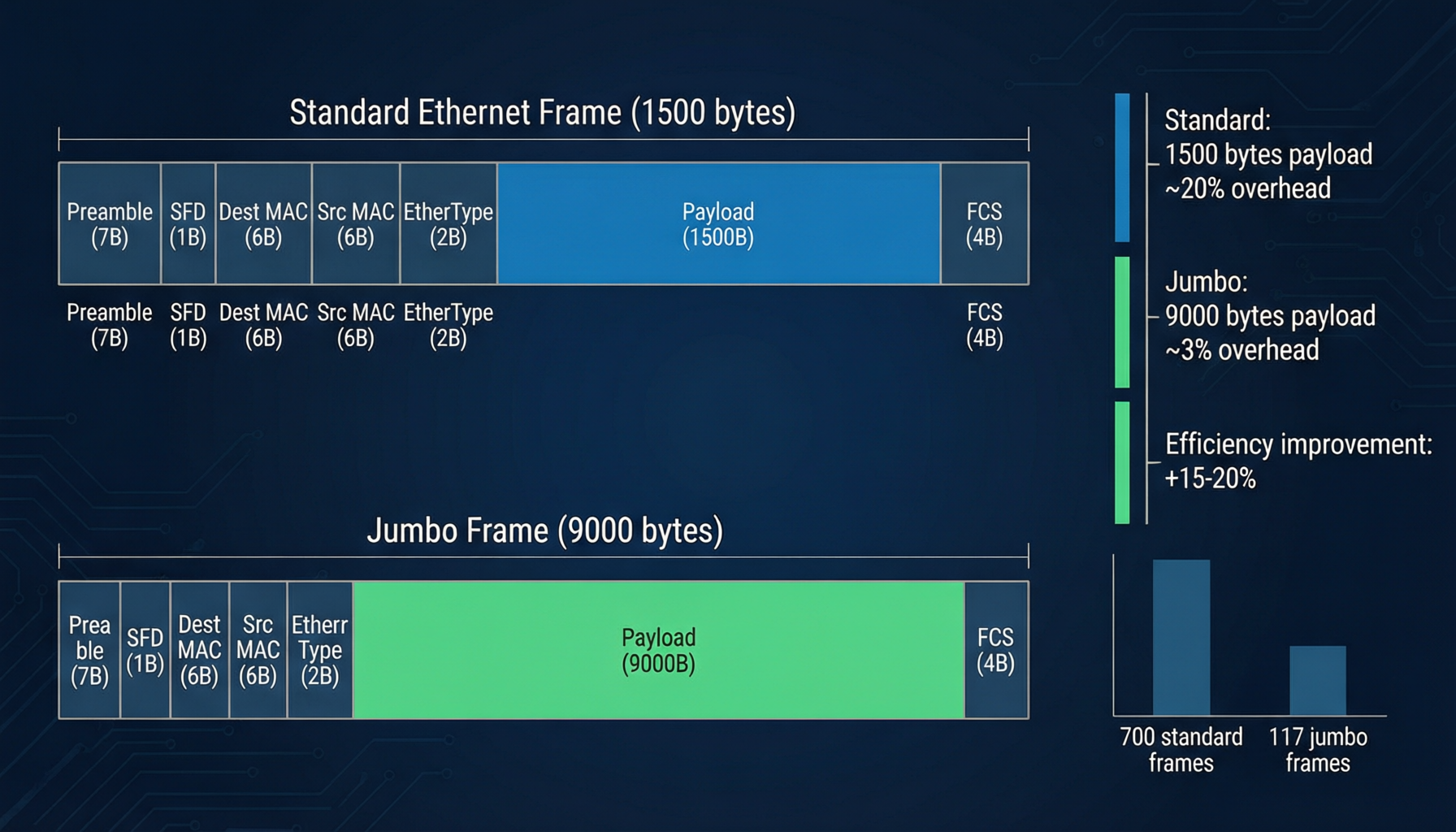
Reduced Overhead: Jumbo frames reduce per-packet overhead from ~20% (standard) to ~3% (jumbo), improving effective throughput by 15-20% for large data transfers (Network World, 2023).
Lower CPU Utilization: Fewer frames per second means fewer interrupts for the NIC and CPU. A 10GbE connection with jumbo frames generates ~148,000 interrupts/sec vs ~880,000 interrupts/sec with standard frames, freeing CPU cycles for applications.
Improved Storage Performance: iSCSI and NFS storage protocols benefit significantly from jumbo frames. Large block transfers (database backups, VM migrations) achieve near-line-rate throughput with reduced latency.
Better RDMA Efficiency: RDMA protocols (RoCE, iWARP) leverage jumbo frames to maximize payload per transaction, reducing the number of round-trips required for large memory transfers.
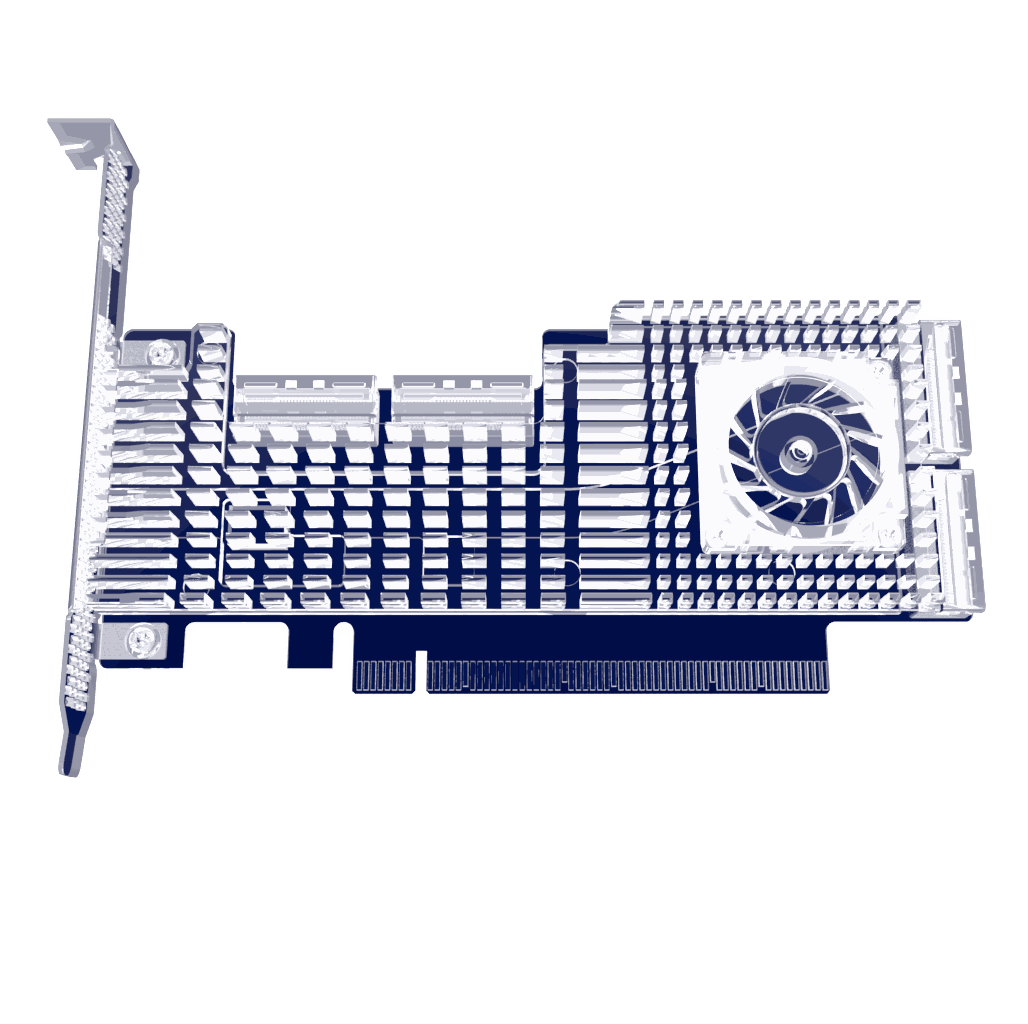
Storage Area Networks: iSCSI and NFS storage traffic uses jumbo frames to maximize throughput for large block transfers. LR-LINK LRES1027PF-4SFP28 supports jumbo frames up to 9000 bytes for high-performance storage networking.
Virtual Machine Migration: Live migration of VMs between hypervisors transfers entire memory images (often 16-64 GB). Jumbo frames reduce migration time by 20-30% compared to standard MTU.
Backup and Replication: Backup operations transfer large datasets between servers and storage arrays. Jumbo frames improve backup throughput and reduce backup window times.
High-Performance Computing: HPC clusters use jumbo frames for MPI (Message Passing Interface) communication between compute nodes, reducing latency for large message transfers in distributed simulations.

NIC handles MTU segmentation and reassembly. Modern server NICs like LR-LINK LRES1027PF-4SFP28 support jumbo frames up to 9000 bytes with hardware offloading for efficient processing.
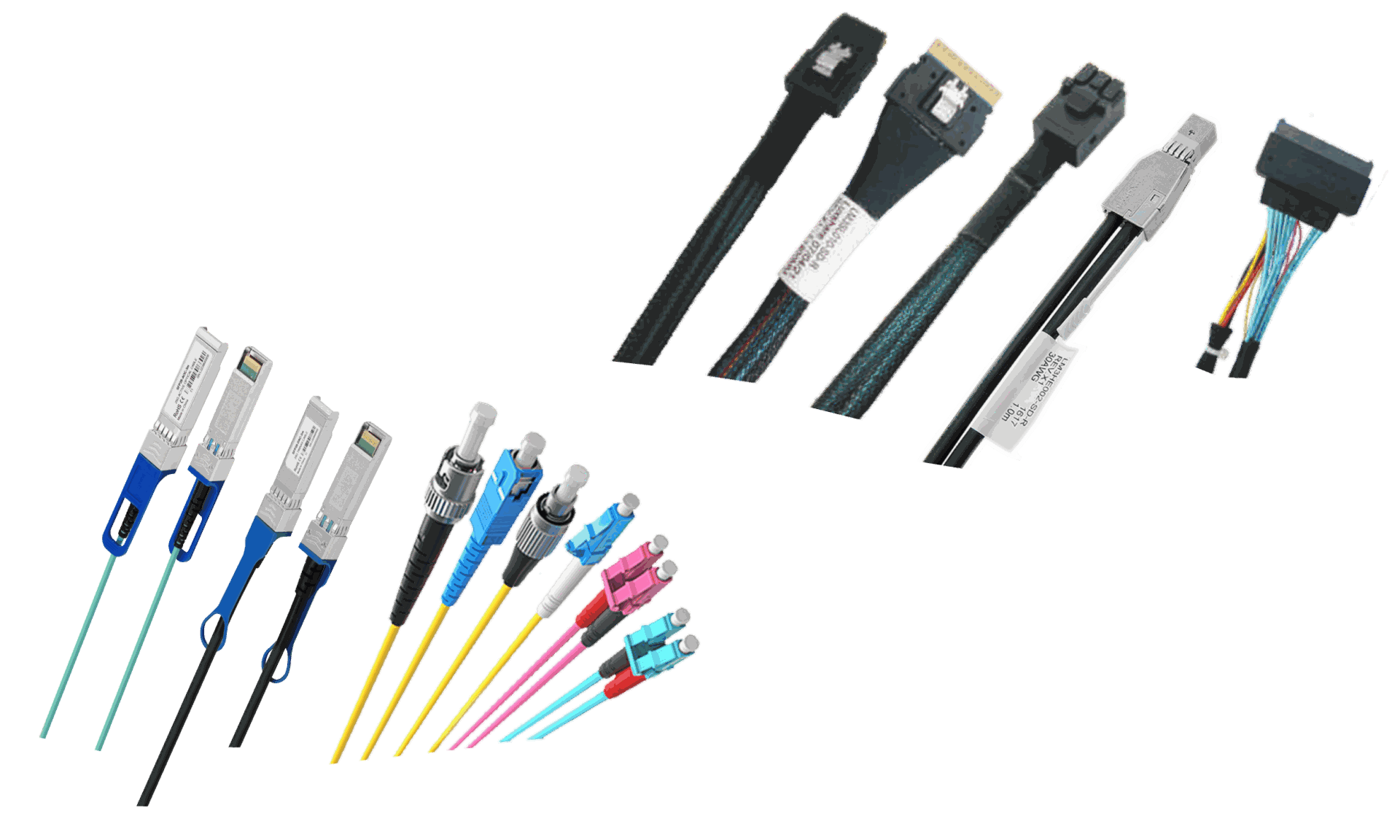
SFP28 links benefit from jumbo frames for maximum throughput. At 25GbE, jumbo frames enable near-line-rate efficiency for large data transfers between servers and switches.
RDMA performance improves with jumbo frames by reducing per-packet overhead. RoCE (RDMA over Converged Ethernet) deployments typically configure 9000-byte MTU for optimal performance.
PCIe Lane bandwidth must be sufficient to handle jumbo frame processing at line rate. A 25GbE NIC with jumbo frames requires PCIe Gen3 x8 to avoid bottlenecks during large transfers.
Jumbo frames extend Ethernet MTU beyond the standard 1500 bytes, typically to 9000 bytes, reducing protocol overhead and improving throughput for large data transfers. By carrying more payload per frame, jumbo frames reduce CPU interrupt overhead, improve storage performance, and enhance RDMA efficiency. While requiring end-to-end support across all network devices, jumbo frames are essential for high-performance data center applications including storage networking, VM migration, backup operations, and HPC clusters.