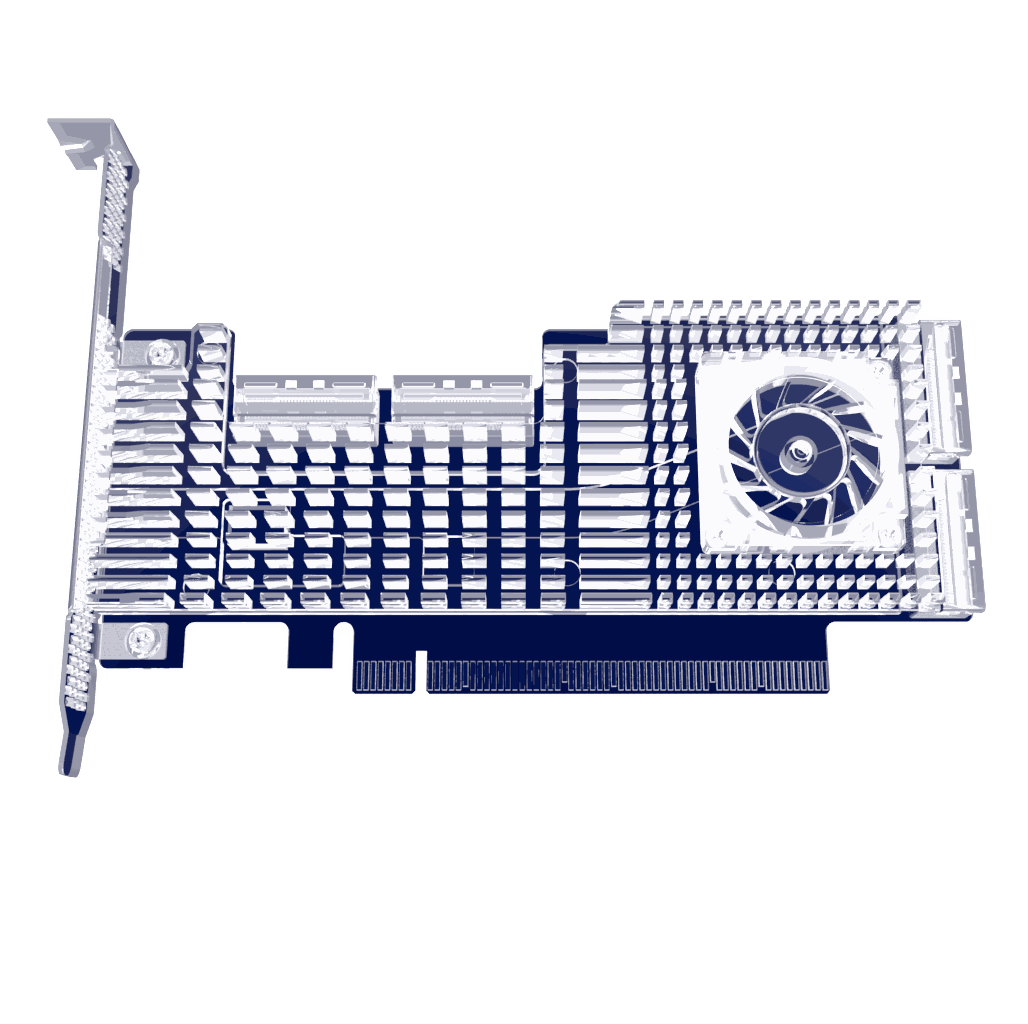
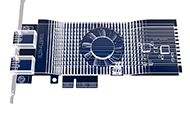
A NIC (Network Interface Card) is a hardware component that connects a computer or server to a network, enabling data transmission and reception over network cables or wireless signals. Operating at the data link layer (Layer 2) and physical layer (Layer 1) of the OSI model, a NIC translates data between the computer bus interface (typically PCIe) and the network medium (Ethernet, fiber, or wireless). Modern NICs support speeds from 1 Gbps to 400 Gbps and handle critical functions including frame encapsulation, error checking, and MAC address management (IEEE 802.3).
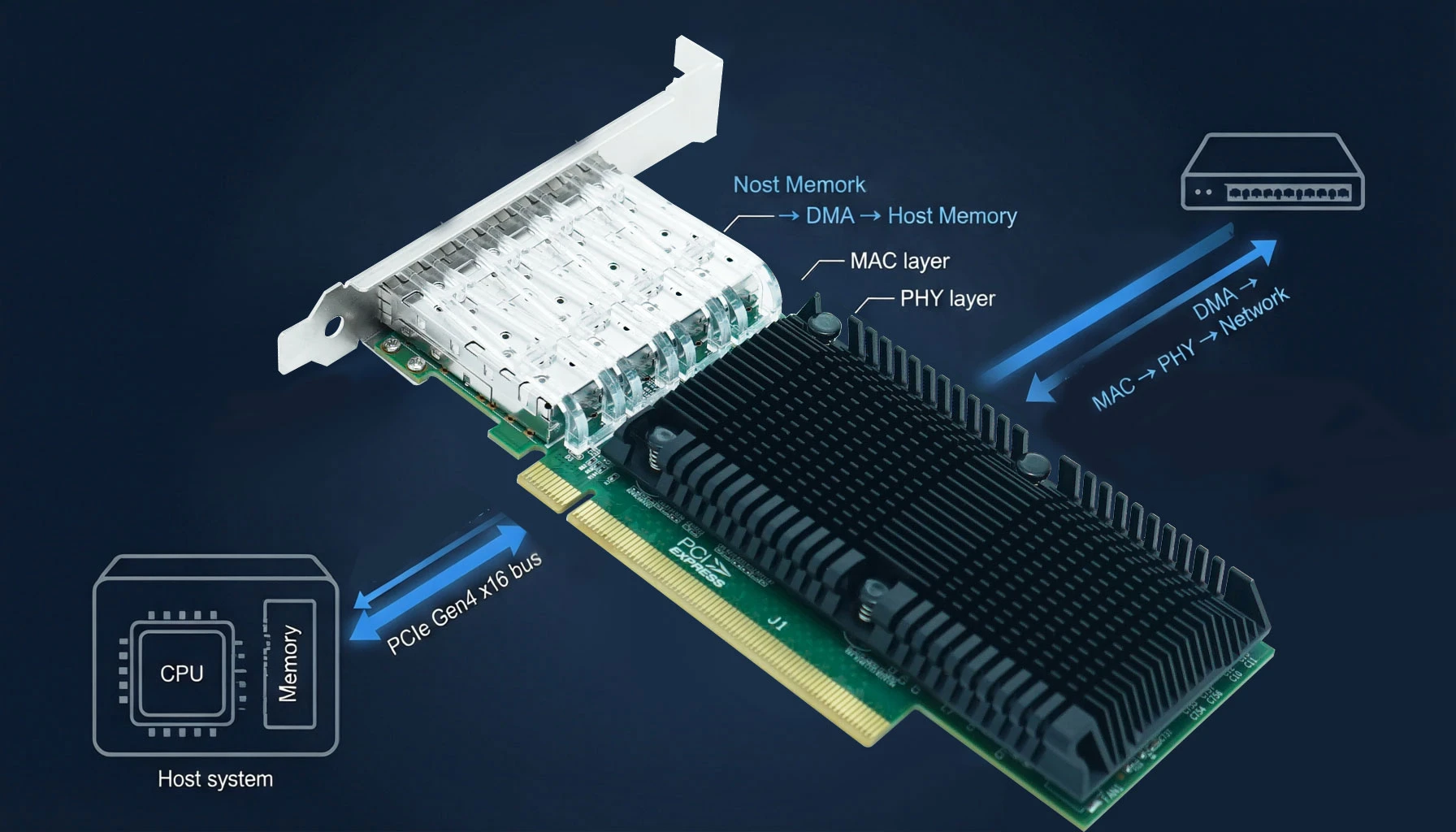
A NIC bridges the host system and the network through a structured data pipeline:
PCIe Interface: The NIC connects to the host motherboard via PCIe lanes (x4 for 10GbE, x8 for 25GbE, x16 for 100GbE). The PCIe interface provides the bandwidth path between the NIC and host memory for DMA (Direct Memory Access) transfers.
MAC Layer: The Media Access Control layer handles frame formatting, MAC address insertion, CRC calculation, and flow control. It determines when the NIC can transmit on the shared medium and manages full-duplex operation.
PHY Layer: The Physical layer converts digital signals to analog for transmission over copper or fiber. For SFP28/SFP+ ports, the PHY includes a SerDes (Serializer/Deserializer) that converts parallel data to serial for optical transmission.
DMA Engine: Direct Memory Access allows the NIC to read/write host memory without CPU intervention. Incoming packets are written directly to pre-allocated receive buffers; outgoing packets are read from transmit buffers, minimizing CPU overhead.
Interrupt Controller: Modern NICs use MSI-X interrupts to notify the CPU when packets arrive or transmissions complete. Per-queue interrupt vectors enable parallel processing across multiple CPU cores via RSS (Receive Side Scaling).
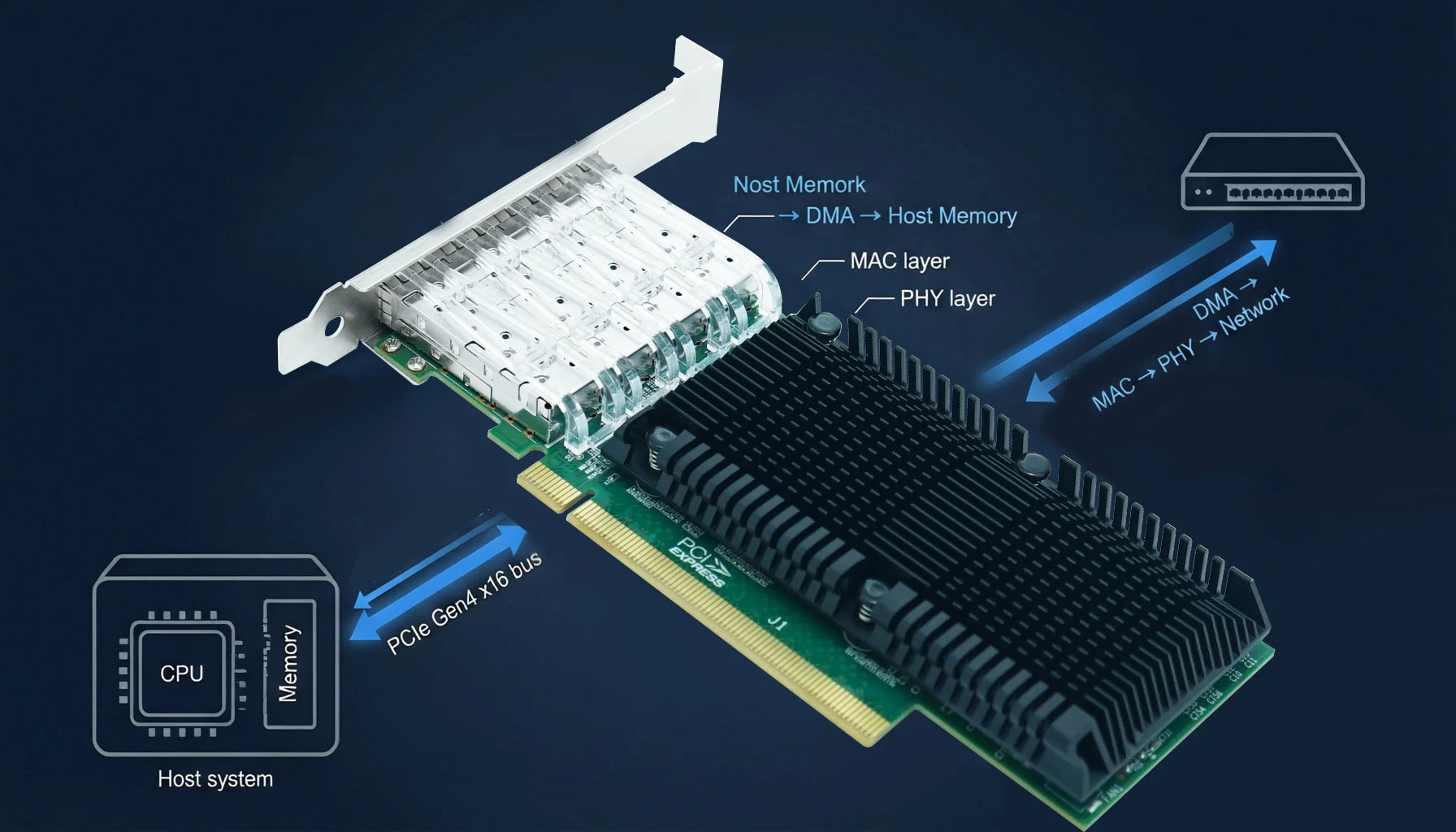
Network Connectivity: NICs provide the fundamental link between servers and network infrastructure. Without a NIC, a server cannot communicate with other systems, storage arrays, or external services (IEEE 802.3, 2023).
Hardware Offloading: Modern NICs offload TCP checksum calculation, VLAN tagging, LRO/GSO (Large Receive/Generic Segmentation Offload), and encryption from the CPU, freeing 20-40% of processor cycles for application workloads.
Virtualization Support: SR-IOV-capable NICs present multiple virtual functions to hypervisors, allowing VMs direct hardware access with near-bare-metal performance. A single physical NIC can support 64-256 virtual functions.
Scalable Performance: NIC speeds scale from 1GbE to 400GbE, with multi-port configurations (2, 4, or 8 ports per card) providing aggregate bandwidth up to 3.2 Tbps for high-density server deployments.
Data Center Server Connectivity: Every server in a data center requires at least one NIC for network access. Modern deployments use 25GbE or 100GbE NICs for server-to-switch connections. LR-LINK LRES1027PF-4SFP28 provides 4×25GbE ports for high-density top-of-rack connectivity.
Cloud Computing: Public cloud providers (AWS, Azure, GCP) deploy high-performance NICs with SR-IOV and RDMA support to deliver consistent low-latency networking to tenant VMs, enabling demanding workloads like real-time analytics and financial trading.
High-Performance Computing: HPC clusters use 100GbE or 200GbE NICs with RDMA/RoCE for inter-node communication, achieving sub-10-microsecond latency for distributed simulations, weather modeling, and scientific computing at scale.
Network Function Virtualization: NFV platforms deploy SmartNICs and FPGA-accelerated NICs that offload packet processing, encryption, and compression from the CPU, enabling virtualized network functions (vRAN, vEPC) to meet strict telecom latency requirements.
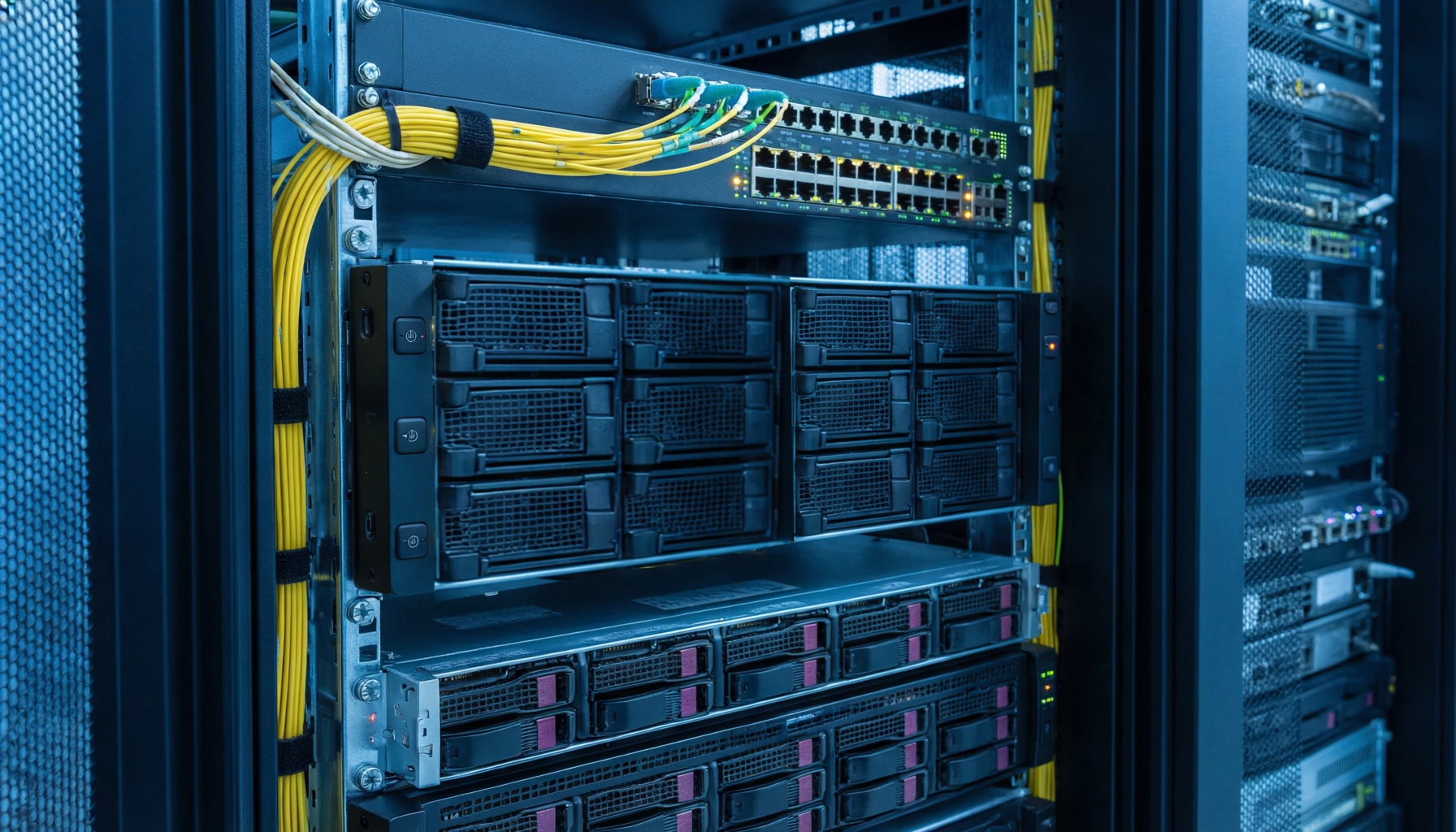
PCIe Lane determines the maximum bandwidth between the NIC and host CPU. A Gen4 x16 slot provides 64 GB/s bidirectional bandwidth, sufficient for 200GbE NICs with headroom for storage and compute traffic.
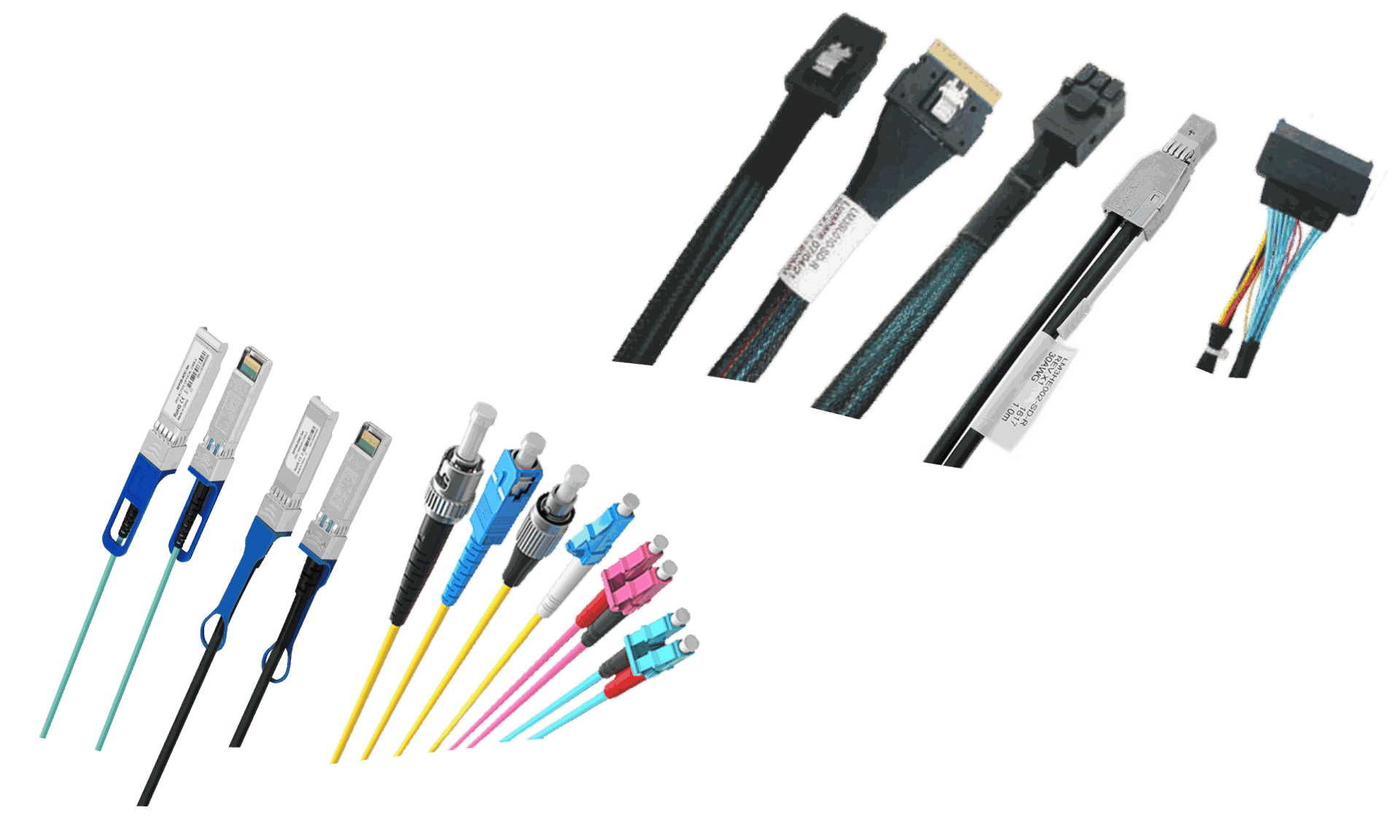
SFP28 is the transceiver form factor used by 25GbE NICs. Each SFP28 cage supports hot-swappable optical or copper modules, giving operators flexibility to choose fiber or DAC connections based on distance requirements.
SR-IOV extends NIC capabilities into virtualized environments by allowing a single physical NIC to present as multiple virtual functions to different VMs, eliminating the need for one physical NIC per VM.
RDMA leverages advanced NIC features for zero-copy, kernel-bypass networking. RDMA-capable NICs (RNICs) enable direct memory access between servers without CPU involvement, achieving sub-5-microsecond latency.
A NIC is the essential hardware interface between a server and its network. From 1GbE to 400GbE, NICs handle frame processing, error detection, and high-speed data transfer through PCIe connectivity. With hardware offloading, SR-IOV virtualization, and RDMA support, modern NICs do far more than basic connectivity—they are intelligent network processors that determine overall system performance. Whether deployed in data centers, HPC clusters, or edge environments, the NIC capabilities directly impact network throughput, latency, and CPU efficiency.