












Why lithography demands high-speed data transfer
A single mask layout (reticle) file for a modern process node can reach tens of gigabytes. During production, this data must travel continuously between the lithography machine, storage servers and AI servers for OPC (optical proximity correction) processing and recipe management. Any stall in this pipeline means the stepper idles — and in a fab, idle time is measured in lost wafers per hour.
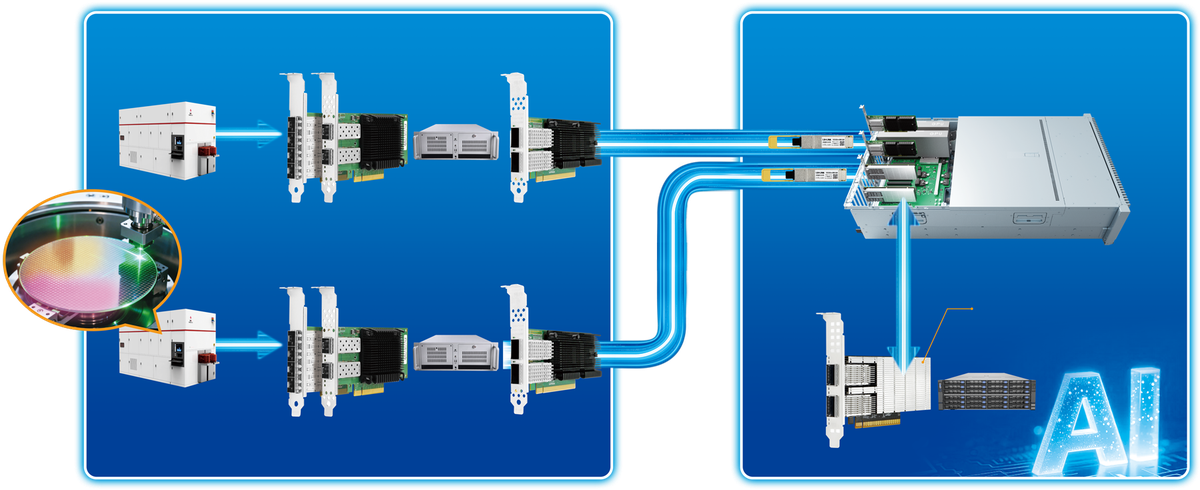
The network topology: stepper, storage, AI
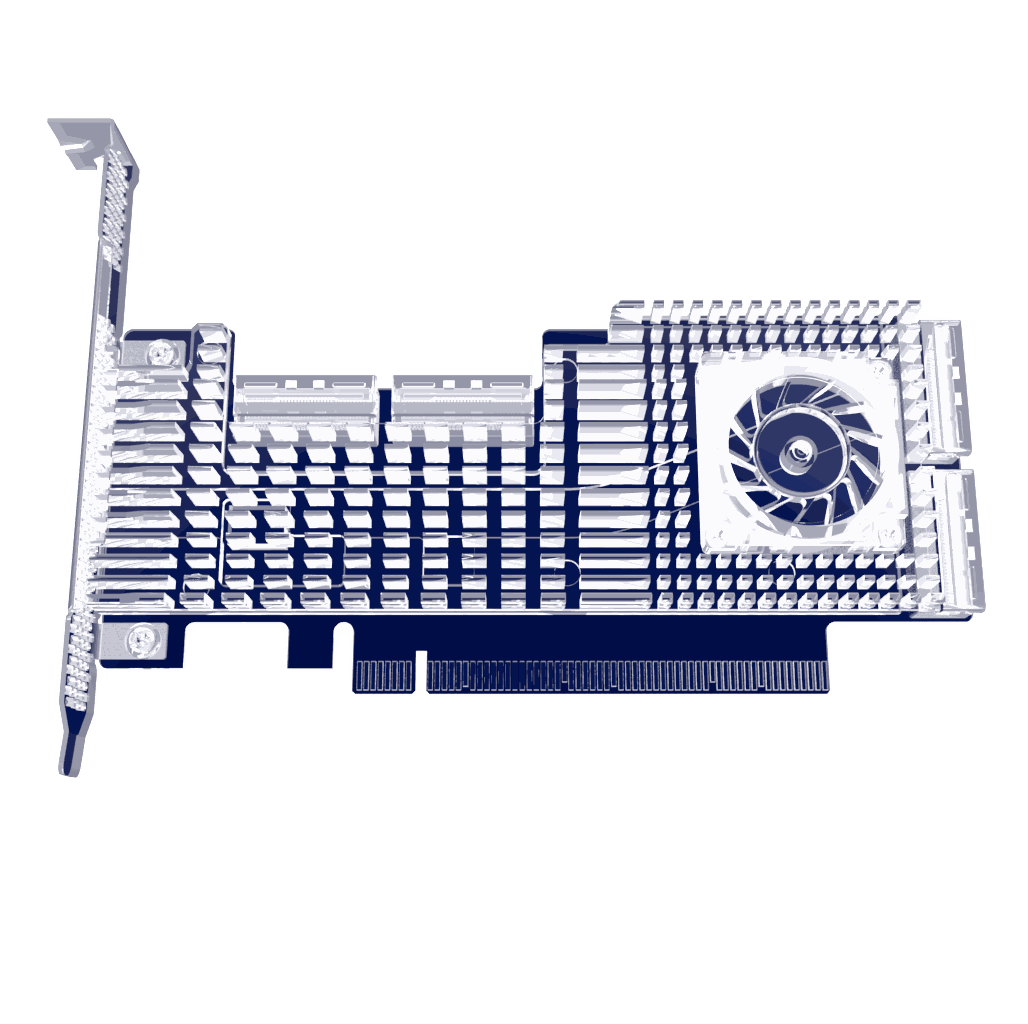
The typical setup connects the lithography machine to storage servers holding reticle libraries, and to AI servers running pattern verification. Data flows in both directions and must be delivered with minimal jitter. A dual-port 100G fiber NIC in the storage or AI server provides the aggregated bandwidth and redundancy this architecture needs, connecting to the stepper through switches or directly to FPGA boards.
Why fiber, and why RDMA
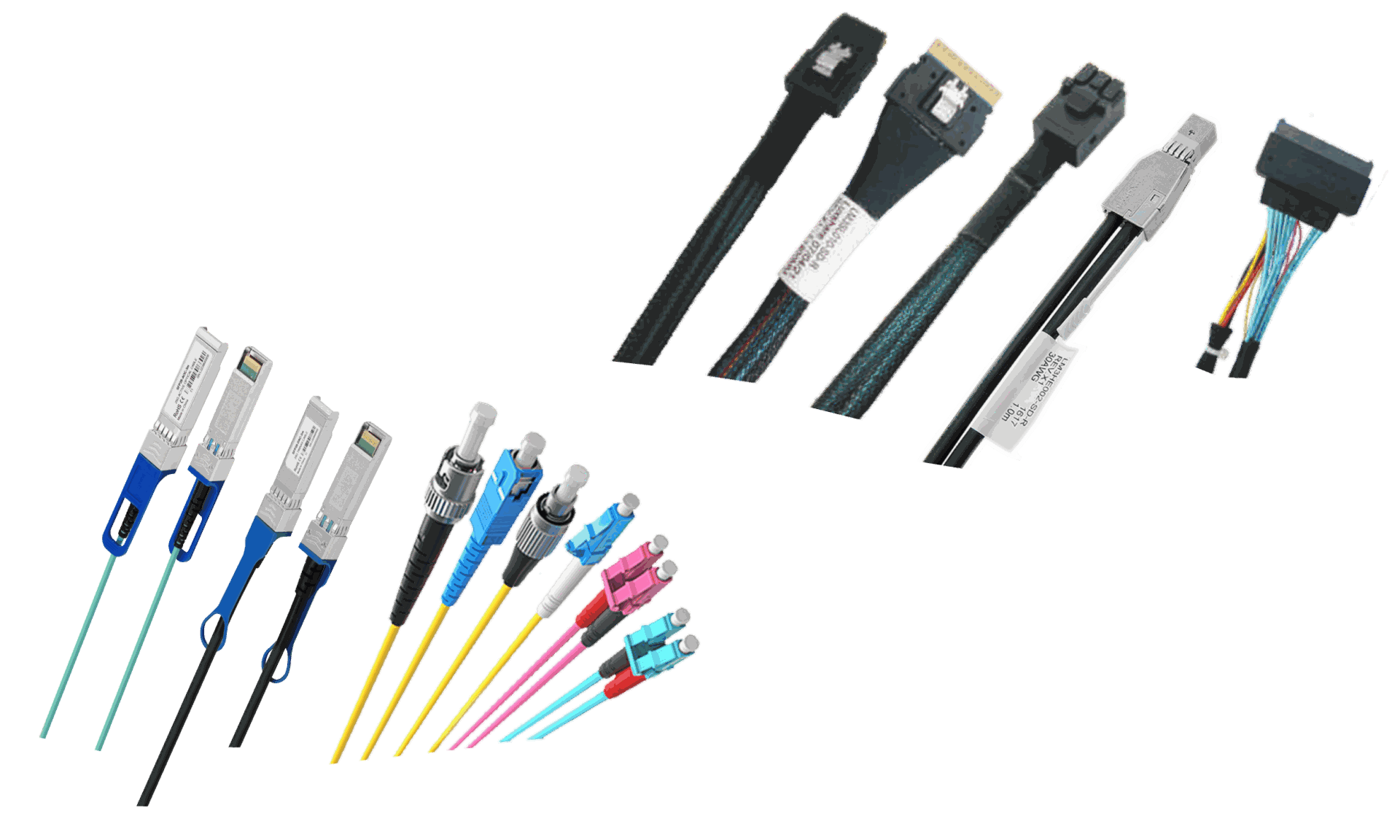
Copper links struggle beyond a few meters with signal integrity and electromagnetic interference — a real concern on a fab floor full of high-power equipment. Fiber preserves signal quality over workshop and cross-plant distances. RDMA (Remote Direct Memory Access) lets the NIC move data straight into application memory, bypassing the CPU and OS stack. The result: dramatically lower latency and CPU load, and predictable transfer times even under load.
Tier options from 25G to 200G
Not every process needs 200G today, but the fab that standardizes on a tier can scale without re-architecting. LR-LINK covers the full ladder: 25G dual-port fiber NICs for edge and tool-side connections, 100G dual-port RDMA smart NICs for the storage backbone, and 200G dual-port RDMA NICs for the AI compute cluster. Controllers include Intel E810 and Broadcom options to match existing server ecosystems.
Recommended Products
Related Guides
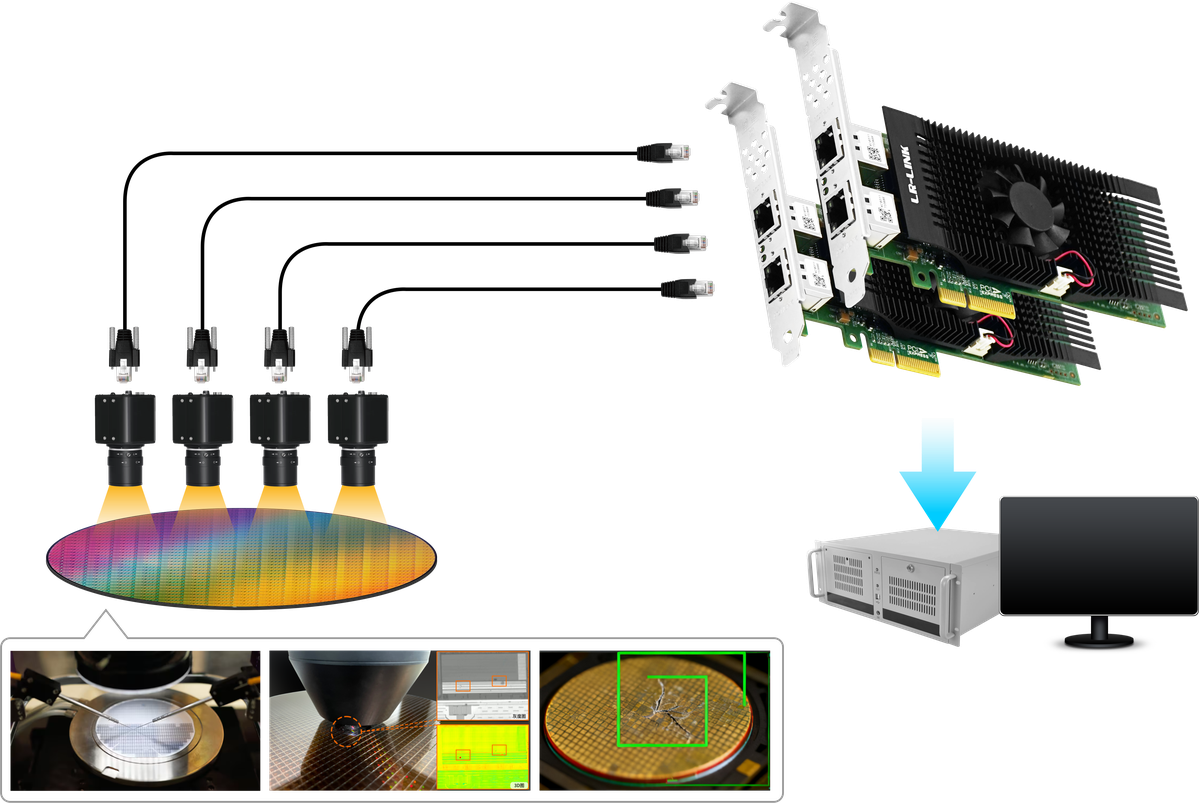
Wafer Inspection GigE Frame Grabbers: Zero Frame Loss
Jumbo frames and RDMA explained — how GigE capture cards make frame loss impossible.
Read More →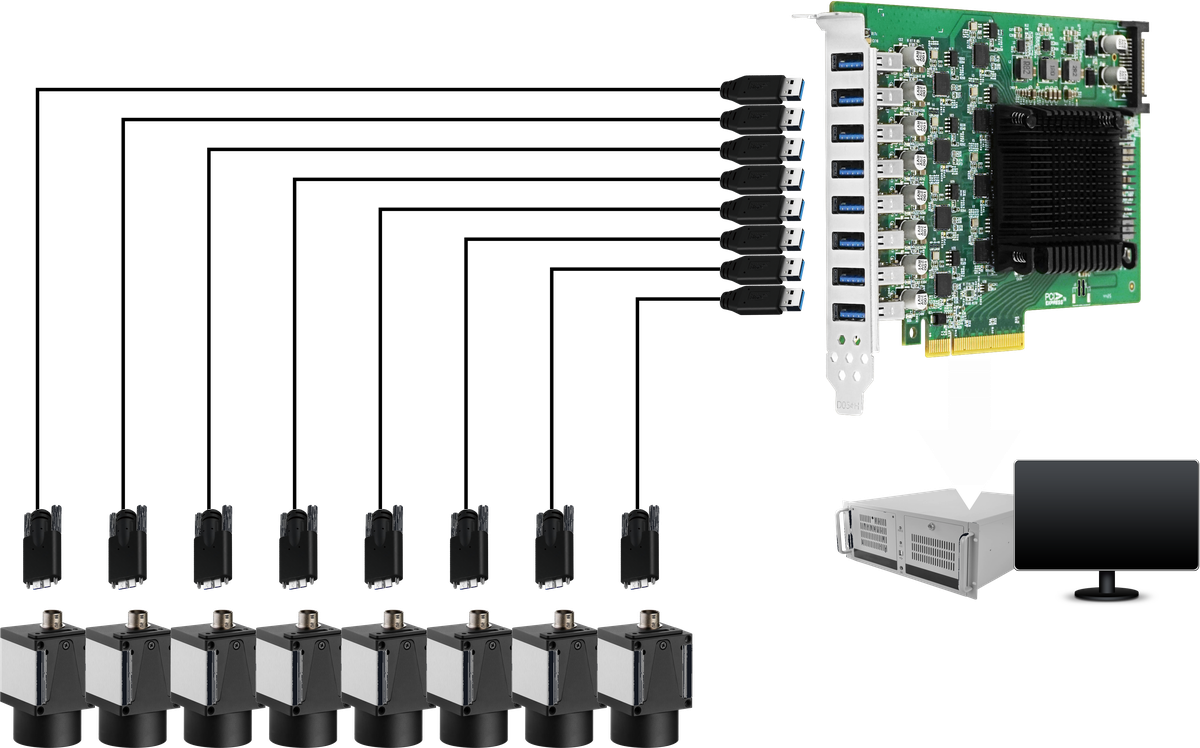
USB Frame Grabbers for Wafer Inspection: Lower TCO
Multi-port independent bandwidth, plug-and-play deployment and the 5G/10G/20G roadmap.
Read More →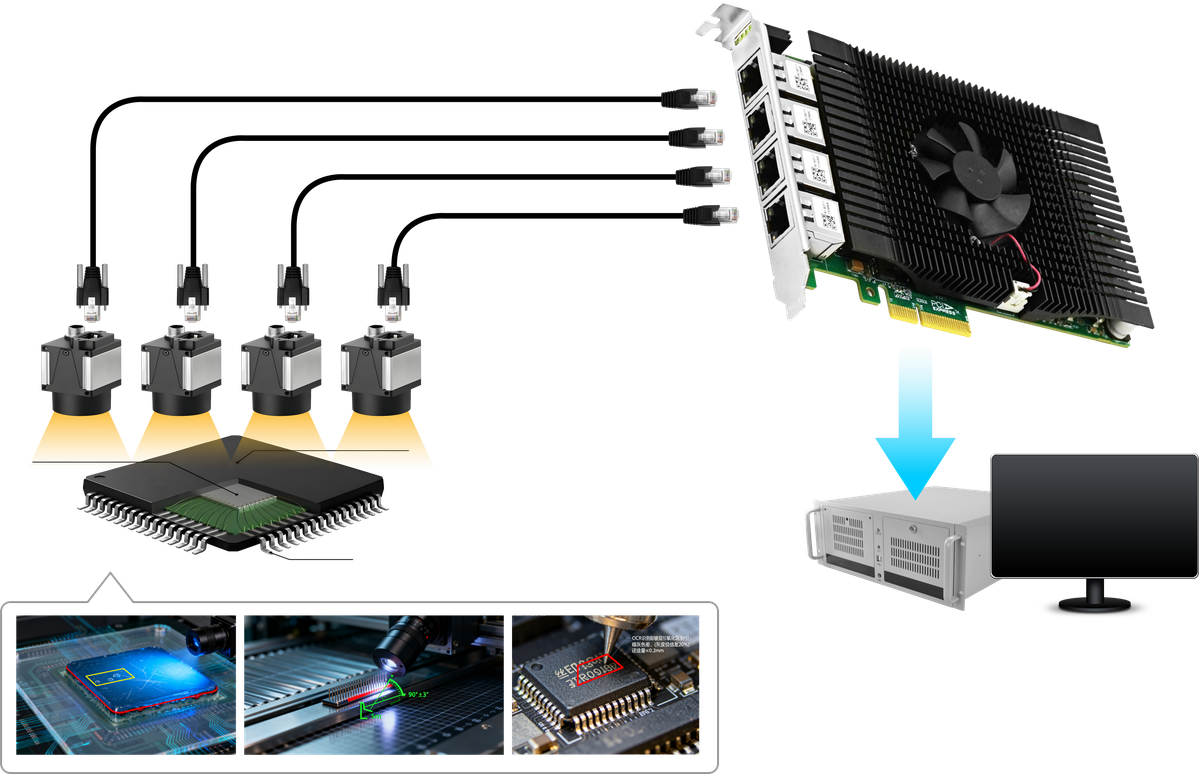
NIC Selection for IC Packaging & Testing
Gigabit multi-port cards for vision inspection across dicing, die attach, wire bonding and final test.
Read More →Need help sizing lithography data transfer for your fab? Request a free trial of our fiber NICs and validate on your own test bench.
Request Free Trial


